
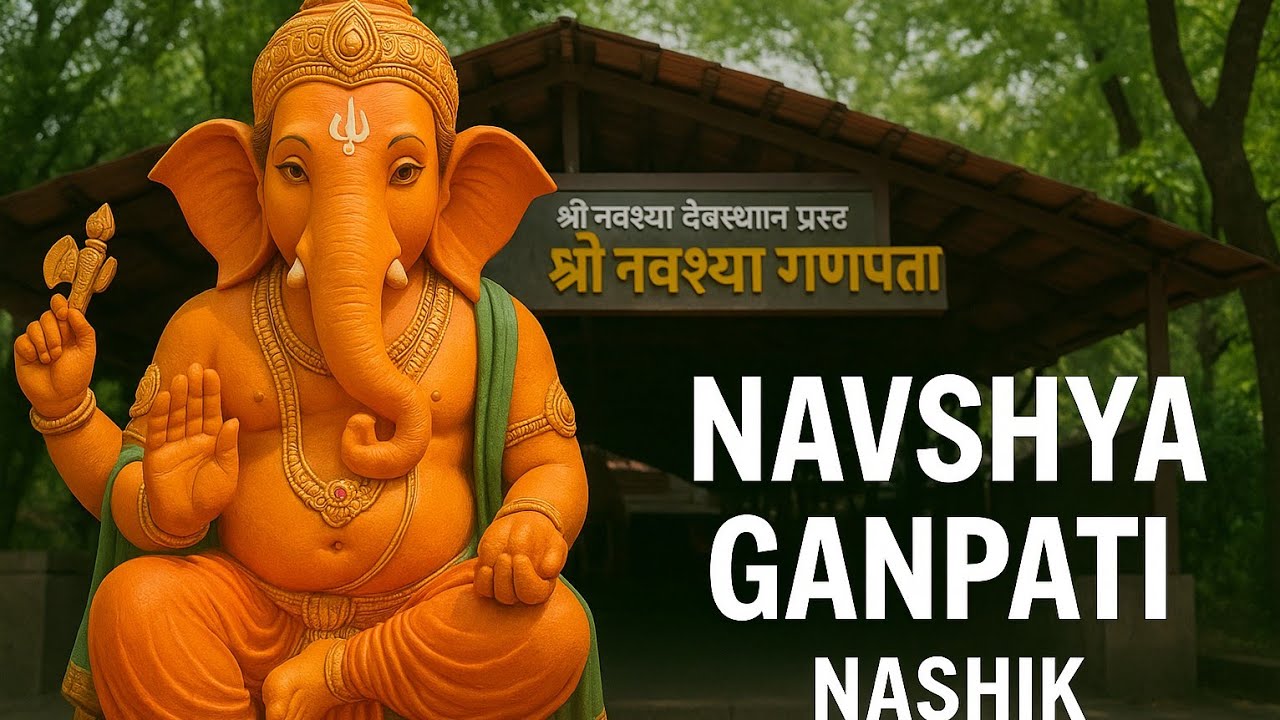
Nashik’s Navshya Ganpati | The Sacred Temple of Lord Ganesha
July 09, 2026 — ny_wk
July 09, 2026 — ny_wk
▶ Nashik’s Navshya Ganpati | The Sacred Temple of Lord Ganesha | Subscribe to @explorenystream
Disclosure: some links above are affiliate links — if you buy through them I may earn a small commission at no extra cost to you. Thanks for supporting the channel!
set on the sacred banks of the Godavari River, Nashik's Navshya Ganpati Temple is a sign of profound faith, drawing devotees to seek blessings from Lord Ganesha. This revered shrine in Old Nashik is famed for its "wish-fulfilling" deity, offering a tranquil yet powerful spiritual experience amidst one of India's most ancient pilgrimage cities.
Nashik, a city steeped in mythological lore and spiritual grandeur, offers an unparalleled journey into the heart of Hindu devotion. While the city has numerous temples and sacred sites, few hold the unique charm and spiritual gravitas of the Navshya Ganpati Temple. Tucked away in the historic precincts of Nashik, this sacred abode of Lord Ganesha is not merely a place of worship; it is a living chronicle of faith, architectural heritage, and the enduring power of prayer. For generations, pilgrims and curious travelers alike have been drawn to this ancient shrine, seeking solace, spiritual awakening, and the fulfillment of heartfelt wishes from the beloved elephant-headed deity.
The very name "Navshya" carries a profound meaning, translating roughly to "wish-fulfilling" or "vowed." This appellation is not coincidental but deeply rooted in the temple's reputation and the countless stories of devotees whose prayers have found fruition within its hallowed walls. The temple is a vibrant symbol of the unwavering belief in divine intervention and the benevolent nature of Ganesha, the remover of obstacles and the harbinger of good fortune. A visit to the Navshya Ganpati is more than just a sightseeing excursion; it is an immersive experience that touches the soul, connecting visitors to centuries of devotion and the vibrant pulse of Hindu spirituality.
The journey to this temple is often a walk through the bustling, narrow lanes of Old Nashik, a sensory delight that transports one back in time. The air hums with the scent of incense, marigolds, and traditional sweets, while the sounds of temple bells, devotional chants, and the lively chatter of vendors create an authentic Indian street symphony. This vibrant backdrop only enhances the anticipation of reaching the temple, preparing the mind and spirit for the sanctity within. As we dig deeper into the allure of Nashik's Navshya Ganpati, we uncover the layers of history, mythology, architecture, and personal experiences that make it an indispensable stop on any spiritual or cultural exploration of Maharashtra.
The story of the Navshya Ganpati Temple in Nashik is interwoven with the very fabric of the city's spiritual identity. While exact historical records can sometimes be elusive for ancient temples, local legends and oral traditions paint a vivid picture of its origins and evolution. It is believed that this temple, like many ancient shrines in Nashik, has stood for centuries, witnessing the ebb and flow of dynasties and the continuous stream of devotees. Its understated elegance, typical of traditional Marathi temple architecture, speaks volumes about its age and the quiet devotion it has inspired.
The legend of "Navshya" is perhaps the most captivating aspect of this temple. Devotees firmly believe that offering prayers and making vows (navas in Marathi) to Lord Ganesha here leads to their fulfillment. This belief stems from countless personal testimonies and stories passed down through generations, reinforcing the temple's reputation as a powerful center for answered prayers. Whether it's a plea for prosperity, good health, success in endeavors, or the blessing of progeny, devotees approach the deity with unwavering faith, convinced that Ganesha, in his infinite wisdom and compassion, will grant their wishes. This deep-seated conviction is what truly defines the spiritual atmosphere of the Navshya Ganpati Temple, setting it apart from other Ganesha shrines.
The temple's location along the Godavari River further enhances its sanctity. The Godavari is one of India's seven sacred rivers, often referred to as the 'Ganga of the South.' Its presence bestows a profound spiritual aura upon Nashik, making any temple situated near its banks exceptionally holy. Pilgrims often take a purifying dip in the Godavari before visiting the temple, believing that this act cleanses them of sins and prepares them for a truly blessed darshan (sacred viewing) of the deity. This confluence of a powerful wish-fulfilling deity and a sacred river creates a potent spiritual vortex, attracting devotees from all corners of India and beyond to experience the unique energy of Nashik's Navshya Ganpati.
Moreover, Nashik itself holds immense significance in Hindu mythology. It is one of the four sites of the Kumbh Mela, a massive pilgrimage held every twelve years, and is believed to be the place where Lord Rama, Sita, and Lakshmana spent a significant part of their exile (vanavasa). This rich mythological backdrop lends an additional layer of holiness to every corner of Nashik, including the humble yet powerful Navshya Ganpati Temple. Visitors are not just stepping into a temple; they are stepping into a living myth, a spiritual landscape shaped by millennia of faith and devotion.
While not ornate or towering like some of India's grander temples, the architecture of the Navshya Ganpati Temple reflects a timeless charm. Typically constructed in the local Marathi style, it often features sturdy stone or brickwork, a modest shikhara (spire), and an inviting entrance. The focus is less on ostentatious display and more on creating a peaceful, contemplative space for devotees. The temple complex is usually compact, embodying a sense of intimacy that allows for a deeper connection with the deity. The inner sanctum, or garbhagriha, is where the main idol resides, often dimly lit, enhancing the mystic aura surrounding Lord Ganesha. The pathways leading to the main shrine might feature intricate carvings or simple, weathered stones, each telling a silent story of countless footsteps of faith. Observing the architectural elements carefully, one can often discern influences of various periods, reflecting the continuous care and renovations undertaken by local patrons over the centuries to preserve this vital spiritual landmark in Nashik.

Stepping into the inner sanctum of the Navshya Ganpati Temple is an experience that transcends mere observation; it is an immersion into centuries of spiritual practice and heartfelt devotion. The temple, while not monumental in scale, exudes an undeniable aura of sanctity and peace, making every visit a profound spiritual encounter.
At the heart of the Navshya Ganpati Temple lies the revered idol of Lord Ganesha. While specific details can vary, Ganpati idols in Maharashtra often depict him with his trunk turned to the left (vama-mukhi), which is considered more common and suitable for household worship, symbolizing success and prosperity. The idol is typically adorned with vibrant fabrics, fresh flowers, and precious ornaments, reflecting the immense love and respect showered upon the deity by his devotees. The benevolent eyes of the idol seem to gaze upon the faithful, offering comfort and reassurance. Often, the idol is carved from black stone, which has a captivating luster when bathed in the oil lamps' glow, creating a truly mesmerizing and spiritual sight. The unique posture, the gentle smile, and the symbolic attributes — the modak (sweet), the ankush (goad), the pasha (noose), and a broken tusk — each hold deep spiritual significance, representing wisdom, discernment, control, and sacrifice. Devotees often spend moments in quiet contemplation before the idol, offering their prayers and aspirations in the hope of divine intervention from the wish-fulfilling Navshya Ganpati.
The daily rhythm of the Navshya Ganpati Temple is marked by a series of ancient rituals (pujas and aartis) performed by the resident priests. These rituals begin early in the morning with the awakening of the deity (kakad aarti), followed by elaborate bathing ceremonies, adornment, and the offering of various sacred items. Throughout the day, devotees can witness these rituals or participate in them, offering their own prayers and contributions. Common offerings include fresh flowers (especially red hibiscus, Ganesha's favorite), garlands, coconuts, incense sticks, and lamps. Perhaps the most iconic offering to Ganesha is the modak, a sweet dumpling, which is considered his favorite delicacy. Visitors can purchase these offerings from vendors outside the temple, contributing to the local economy and participating in a time-honored tradition. The atmosphere during the main aartis (ritualistic waving of lamps) is particularly enchanting, filled with devotional hymns, rhythmic bell ringing, and the collective energy of congregational prayer. These daily practices ensure that the divine presence is continuously invoked and celebrated, maintaining the sanctity and vibrancy of the Nashik's Navshya Ganpati shrine.
The Navshya Ganpati Temple truly comes alive during major Hindu festivals, especially Ganesh Chaturthi. This ten-day festival, celebrated with unparalleled fervor across Maharashtra, sees the temple bustling with thousands of devotees. Elaborate decorations, special pujas, cultural programs, and community feasts become common. During Ganesh Chaturthi, the idol is often adorned with even greater splendor, and the air crackles with an electric energy of devotion and celebration. Other important days include Sankashti Chaturthi and Angarika Chaturthi, which are auspicious days for Ganesha worship, drawing significant crowds. Observing the temple during these festivals offers a deeper insight into the cultural and religious fabric of Nashik and the profound role Lord Ganesha plays in the lives of his devotees. It is a spectacle of faith, color, and joyous celebration that should not be missed if your travel dates align with these auspicious times in Nashik.
The sounds within the temple are as integral to the experience as the sights. The resonant clang of the temple bell, the rhythmic chants of "Ganpati Bappa Morya," and the soft murmur of prayers create a meditative soundscape. Even in moments of quiet, a palpable sense of peace pervades the space, inviting introspection and spiritual connection. The architecture, the idol, the daily rituals, and the festive celebrations all combine to create a holistic spiritual journey at the Navshya Ganpati Temple, making it a pivotal pilgrimage site in Nashik.

While the Navshya Ganpati Temple is a powerful magnet for spiritual seekers, it is important to understand that it is but one thread in the rich, vibrant mix that is Nashik. This ancient city, set in the Western Ghats of Maharashtra, is a veritable treasure trove of history, mythology, and spiritual significance. A visit to Nashik is an opportunity to dig into a multi-faceted cultural experience, where every corner seems to whisper tales of gods, kings, and saints.
The lifeline of Nashik, both geographically and spiritually, is the Godavari River. As one of the holiest rivers in India, its presence elevates Nashik to a status comparable to Varanasi. The riverbanks, particularly around the Ramkund area, are alive with pilgrims performing rituals, taking holy dips, and offering prayers. Ramkund, believed to be the spot where Lord Rama bathed during his exile, is especially sacred. A visit here is essential for anyone seeking to understand the spiritual heart of Nashik. Adjacent to Ramkund lies Panchavati, a cluster of five banyan trees that, according to the epic Ramayana, marked the residence of Lord Rama, Sita, and Lakshmana during their exile. This area is dotted with several ancient temples, including the Kalaram Temple (housing a black idol of Rama) and the Sita Gufa (cave of Sita), where it is believed Sita was abducted by Ravana. Exploring Panchavati allows visitors to walk in the footsteps of legends, immersing themselves in the very myths that shape Hindu consciousness. The energy here is profound, a palpable link to a heroic past, and provides a broader context for the spiritual significance of places like the Navshya Ganpati Temple.
A short drive from Nashik city lies Trimbakeshwar Temple, one of the twelve sacred Jyotirlingas (lingams of light) of Lord Shiva. This ancient temple, located at the source of the Godavari River, is a major pilgrimage site and a masterpiece of ancient Indian architecture. Its unique feature is the presence of three lingams representing Brahma, Vishnu, and Shiva, making it an exceptionally powerful spiritual center. For devotees visiting Nashik, a pilgrimage to Trimbakeshwar is often an indispensable part of their journey, complementing the blessings received at the Navshya Ganpati Temple. The journey to Trimbakeshwar itself is scenic, passing through rolling hills and verdant landscapes, further enhancing the spiritual experience.
For those seeking a break from purely spiritual pursuits, Nashik also offers unique cultural experiences. The Gargoti Museum, located near Sinnar (on the outskirts of Nashik), is a world-class museum dedicated to displaying India's mineral and fossil wealth. It houses an astounding collection of geodes, crystals, and zeolite minerals, making it a fascinating stop for geology enthusiasts and curious minds alike. It showcases the natural beauty of the earth in exquisite detail and offers a different perspective on the richness of the region beyond its spiritual heritage. This unexpected gem provides a wonderful contrast to the ancient temples and adds another dimension to a comprehensive Nashik itinerary, proving that the city offers more than just religious significance.
No travel experience is complete without savoring local flavors. Nashik is renowned for its culinary offerings, ranging from traditional Maharashtrian thalis to street food delights like misal pav and vada pav. Exploring the local markets not only provides a feast for the senses but also an insight into the daily life of Nashik residents. Furthermore, Nashik has earned the moniker "Wine Capital of India" due to its burgeoning viticulture industry. A visit to one of the many vineyards, such as Sula Vineyards, offers an opportunity for wine tasting, guided tours, and enjoying picturesque landscapes. This modern facet of Nashik tourism stands in pleasant contrast to its ancient spiritual core, making the city an ideal destination for diverse interests. Enjoying a relaxed evening at a vineyard after a day of spiritual exploration at places like the Navshya Ganpati Temple can be a truly enriching experience, highlighting the city's ability to blend the old with the new, the sacred with the sensory.
Nashik is a microcosm of India's diverse heritage. While the Navshya Ganpati Temple undoubtedly holds a special place, exploring the wider city reveals a compelling narrative of devotion, history, natural beauty, and modern progress. It's a destination that promises spiritual solace, cultural enrichment, and memorable experiences for every kind of traveler.
A well-planned trip enhances the spiritual and cultural experience manifold. Nashik, with its blend of ancient traditions and modern conveniences, is generally welcoming, but a few practical tips can make your visit to the Navshya Ganpati Temple and the surrounding areas even more enjoyable and hassle-free.
The ideal time to visit Nashik and the Navshya Ganpati Temple is during the cooler months, from October to March. The weather during this period is pleasant, making it comfortable for sightseeing and temple visits. The monsoon season (June to September) brings lush greenery to the region, which can be beautiful, but heavy rainfall might sometimes disrupt travel plans. Summers (April to May) can be quite hot, with temperatures soaring, making daytime exploration less comfortable.
Nashik offers a wide range of accommodation to suit every budget and preference. From luxury hotels with modern amenities to boutique guesthouses, mid-range hotels, and budget lodges, you'll find plenty of choices. Areas near Nashik Road Railway Station, Gangapur Road, and College Road are popular for hotels. For those seeking a unique experience, consider staying near the vineyards or in heritage properties that offer a glimpse into Nashik's history. Booking in advance, especially during peak season or festivals like Ganesh Chaturthi or Kumbh Mela (if applicable), is highly recommended.
Once in Nashik, getting around is relatively easy. Auto-rickshaws are the most common mode of local transport and are readily available. Ride-sharing apps also operate in the city. For longer distances or more comfort, taxis and private car rentals are good options. For exploring Old Nashik and areas around the Godavari, walking is often the best way to soak in the atmosphere, although distances between certain key temples might require short rides.
Dedicate ample time in your itinerary to explore not just the Navshya Ganpati Temple, but also the broader spiritual and cultural landscape of Nashik. A visit to Ramkund and Panchavati is essential for a complete experience. Consider a day trip to Trimbakeshwar Temple. For a different flavor, explore the vineyards or the bustling local markets. Nashik's diverse offerings ensure that every visitor finds something to cherish.
By keeping these practical tips in mind, your journey to Nashik and the revered Navshya Ganpati Temple will be smooth, enriching, and spiritually fulfilling. It’s an opportunity not just for pilgrimage but for a deep cultural immersion into the heart of Maharashtra.
The term "Navshya" is Marathi for "vowed" or "wish-fulfilling." The temple is known as Navshya Ganpati because devotees believe that prayers and vows made here to Lord Ganesha are consistently fulfilled. This belief is a cornerstone of the temple's fame and draws numerous pilgrims seeking divine intervention for their wishes and aspirations.
The temple generally opens early in the morning (around 5:00 AM or 6:00 AM) and closes in the evening (around 9:00 PM or 10:00 PM), with a brief break in the afternoon. However, specific timings for aartis (prayer ceremonies) are usually observed in the morning, noon, and evening. It's best to visit during the early morning hours for a quieter experience or during the evening aarti for a more vibrant atmosphere. Always check local timings closer to your visit, as they can sometimes vary.
While there isn't a strict formal dress code, it is advisable to dress modestly out of respect for the sacred space. This typically means covering shoulders and knees. Traditional Indian attire such as sarees or salwar kameez for women and shirts with trousers for men are appropriate. Avoid overly casual or revealing clothing to ensure a comfortable and respectful visit.
Nashik is rich in spiritual heritage. After visiting the Navshya Ganpati Temple, you should definitely explore Panchavati and Ramkund on the Godavari River, which are historically linked to Lord Rama. The ancient Kalaram Temple and Sita Gufa within Panchavati are also highly significant. Additionally, a day trip to the Trimbakeshwar Jyotirlinga Temple, one of the twelve sacred Shiva shrines, located about 28 km from Nashik, is highly recommended for a comprehensive spiritual journey.
start your own spiritual journey to Nashik and witness the profound devotion at the Navshya Ganpati Temple. For a vivid visual guide to this sacred site and other wonders of Nashik, be sure to watch the full video on the @explorenystream channel. Don't forget to subscribe for more captivating travel stories and insights into India's incredible spiritual destinations!