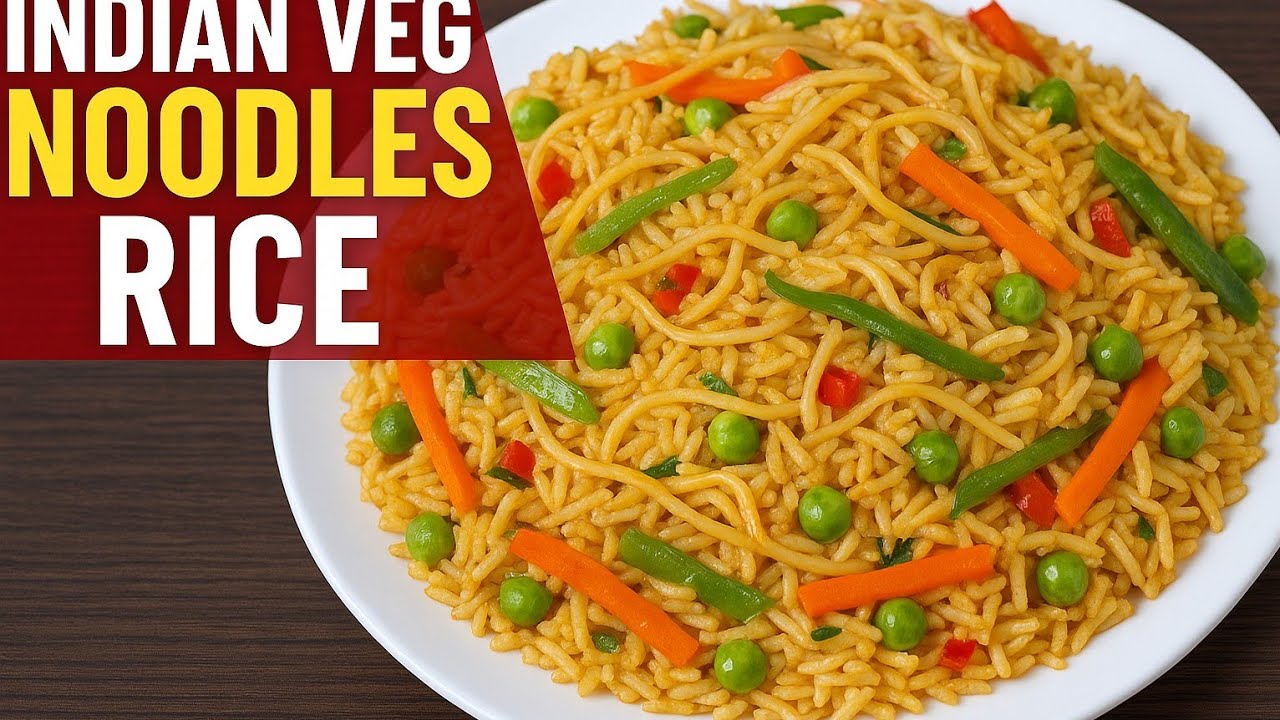
Noodle Rice Recipe | Indian Street Style Basmati Fried Rice | Quick & Tasty Fusion Dish!
September 26, 2026 — ny_wk
As an Amazon Associate I earn from qualifying purchases.
As an Amazon Associate I earn from qualifying purchases.
As an Amazon Associate I earn from qualifying purchases.
As an Amazon Associate I earn from qualifying purchases.
As an Amazon Associate I earn from qualifying purchases.
As an Amazon Associate I earn from qualifying purchases.
As an Amazon Associate I earn from qualifying purchases.
As an Amazon Associate I earn from qualifying purchases.
As an Amazon Associate I earn from qualifying purchases.
As an Amazon Associate I earn from qualifying purchases.
As an Amazon Associate I earn from qualifying purchases.
As an Amazon Associate I earn from qualifying purchases.
As an Amazon Associate I earn from qualifying purchases.
As an Amazon Associate I earn from qualifying purchases.
As an Amazon Associate I earn from qualifying purchases.
As an Amazon Associate I earn from qualifying purchases.
As an Amazon Associate I earn from qualifying purchases.
As an Amazon Associate I earn from qualifying purchases.
As an Amazon Associate I earn from qualifying purchases.
As an Amazon Associate I earn from qualifying purchases.
As an Amazon Associate I earn from qualifying purchases.
🛒 Recommended gear on AmazonDisclosure: some links above are affiliate links — if you buy through them I may earn a small commission at no extra cost to you. Thanks for supporting the channel!
As an Amazon Associate I earn from qualifying purchases.
start a culinary journey to the vibrant streets of India with a dish that perfectly marries two beloved Asian staples: noodles and rice. This Indian street-style basmati fried rice, often dubbed "noodle rice," is a quick, tasty, and utterly satisfying fusion creation that brings the bustling energy of a roadside hawker stall right to your kitchen. Discover how to craft this unique and flavorful Indian street food, blending aromatic basmati with stir-fried noodles and crisp vegetables for a truly unforgettable meal.
The culinary landscape of India is a riot of colors, aromas, and audacious flavors. From the bustling bylanes of Mumbai to the ancient markets of Delhi, street food reigns supreme, offering an endless array of innovative dishes that tantalize the senses. Among these, the concept of "noodle rice" or "fried rice with noodles" has emerged as a particularly popular fusion delight, capturing the hearts (and stomachs) of food enthusiasts with its ingenious combination of textures and tastes. This isn't your average fried rice; it's a sign of the adaptability and creativity inherent in Indian street cooking, taking inspiration from Chinese stir-fries and infusing them with distinctly Indian spices and flair.
The Genesis of Indian Street Style Noodle Rice: A Fusion Phenomenon
Indian cuisine, while deeply rooted in tradition, has always been open to influences from other cultures. The British Raj introduced European elements, while the Mughal Empire brought Persian and Central Asian flavors. However, perhaps one of the most dynamic and pervasive influences in recent decades has been Chinese cuisine, particularly its street food adaptations. "Indian-Chinese" or "Indo-Chinese" food is a distinct culinary genre in itself, characterized by its bold use of soy sauce, ginger, garlic, chilies, and vinegar, often with an added Indian spice kick.
The noodle rice recipe is a brilliant offspring of this Indo-Chinese fusion. It takes the familiar comfort of fried rice, typically made with long-grain basmati, and marries it with the playful chewiness of stir-fried noodles. This isn't just about throwing two ingredients together; it's about creating a harmonious balance where each component shines while contributing to a greater, more complex flavor profile. The genius lies in the quick-cooking method, reminiscent of a chef expertly tossing ingredients in a fiery wok on the street, ensuring that vegetables retain their crunch and the spices meld perfectly.
Think of the street vendors, with their portable stoves and array of fresh ingredients, deftly juggling spatulas as they whip up customized orders in minutes. The speed and efficiency are key, as is the ability to cater to individual preferences for spice levels and vegetable combinations. This quick preparation makes the Indian street style basmati fried rice an ideal candidate for a quick weeknight meal at home, allowing you to recreate that vibrant street food experience without needing to book a flight to India.
Crafting the Perfect Noodle Rice: Ingredients and Preparation
To truly capture the essence of Indian street-style noodle rice, quality ingredients and a swift hand are essential. The beauty of this dish lies in its simplicity and the ability to customize it to your liking. Here's a breakdown of the core components and why they matter:
The Basmati Rice Foundation
- Basmati Rice: This is non-negotiable for authentic flavor and texture. Basmati, with its long grains and aromatic qualities, cooks up fluffy and separate, which is crucial for fried rice. Avoid sticky rice varieties.
- Cooking Method: Crucially, the rice must be cooked ahead of time and preferably chilled. Day-old or at least several-hours-old rice is ideal as it has less moisture, preventing the final dish from becoming soggy. Cook it al dente – firm but not hard.
The Noodle Component
- Thin Noodles: Typically, plain Hakka noodles or thin spaghetti/vermicelli are used. The key is for them to be thin enough to integrate smoothly with the rice without overpowering it.
- Pre-cooked: Like the rice, the noodles should be cooked al dente according to package directions and then rinsed with cold water to stop the cooking process and prevent sticking. Toss lightly with a touch of oil to keep them separate.
The Vegetable Medley
The vegetables add crunch, color, and essential nutrients. Common choices include:
- Cabbage: Finely shredded, it offers a slight sweetness and crunch.
- Carrots: Julienne or finely chopped for color and sweetness.
- Bell Peppers (Capsicum): Red, green, or yellow, they add a vibrant color and mild, sweet flavor.
- Onions: Sliced or diced, forming the aromatic base.
- Spring Onions (Scallions): Used for both the base and as a fresh garnish.
- Green Chilies: Crucial for that signature Indian spice kick. Adjust to your heat preference.
The Flavor Boosters: Sauces and Spices
This is where the fusion magic happens, blending Indian spices with Indo-Chinese staples:
- Garlic and Ginger: Freshly minced or grated, these form the aromatic backbone.
- Soy Sauce: Light soy sauce is preferred for its umami depth without excessive saltiness.
- Chili Sauce: Options like sriracha, red chili paste, or even a dash of green chili sauce provide heat.
- Vinegar: White vinegar or rice vinegar adds a tangy brightness that cuts through the richness.
- Black Pepper: Freshly ground black pepper for a pungent finish.
- Garam Masala (Optional but Recommended): A pinch of this Indian spice blend elevates the dish with warmth and complexity, distinguishing it from purely Chinese fried rice.
- Ajinomoto (MSG - Optional): Often used in street food for an enhanced umami flavor. Use sparingly if at all.
The Cooking Process: Wok Hei at Home
The technique for Indian street-style fried rice is about high heat and quick tossing. A wok is ideal, but a large, heavy-bottomed skillet or kadai will also work. The key is to keep ingredients moving to ensure even cooking and to develop that smoky "wok hei" flavor, even if you're not cooking over an open flame.
- Heat the Oil: A neutral oil like vegetable or canola oil is best. Heat it until shimmering.
- Sauté Aromatics: Add garlic, ginger, green chilies, and onions, stir-frying until fragrant.
- Add Vegetables: Incorporate the harder vegetables first (carrots), then the softer ones (cabbage, bell peppers). Stir-fry quickly until tender-crisp.
- Introduce Noodles: Add the pre-cooked noodles, tossing gently to combine with the vegetables.
- Fold in Rice: Carefully add the chilled basmati rice, breaking up any clumps.
- Sauce It Up: Pour in soy sauce, chili sauce, vinegar, and any other spices (like garam masala, black pepper). Toss vigorously to ensure everything is evenly coated.
- Final Flourish: Garnish with fresh spring onions and serve hot.
The speed is crucial. Overcooking the vegetables will make them lose their crunch, and over-tossing the rice can break the grains. The goal is a vibrant, flavorful dish with distinct textures.
Flavor Profile and Culinary Versatility
The taste of Indian street-style noodle rice is a symphony of contrasting and complementary flavors. You get the earthy aroma of basmati rice, the subtle sweetness and crunch of fresh vegetables, the savory umami of soy sauce, the fiery kick of green chilies and chili sauce, and the fragrant warmth of ginger and garlic. If garam masala is added, it introduces a layer of complex, aromatic spice that is distinctly Indian, setting this dish apart from its purely Chinese counterparts.
One of the most appealing aspects of this dish is its incredible versatility. While the core ingredients remain consistent, there's ample room for customization:
- Protein Power-Up: For a more substantial meal, you can easily add cooked chicken, scrambled eggs, paneer cubes, or shrimp. Simply stir-fry these proteins separately or after the aromatics and before the vegetables.
- Vegetable Variations: Feel free to experiment with other quick-cooking vegetables like snap peas, broccoli florets, mushrooms, or corn kernels.
- Spice Level: Adjust the amount of green chilies and chili sauce to suit your preference, from mild to extra fiery.
- Vegan/Vegetarian Friendly: The base recipe is often vegetarian, and can be easily made vegan by ensuring no egg or animal-derived products are used in sauces or seasonings.
This noodle rice is fantastic as a stand-alone meal, but it also pairs wonderfully with other Indo-Chinese staples like Manchurian gravy, chili chicken, or spring rolls. It's a sign of how fusion cuisine can be both comforting and exciting, offering a taste experience that is familiar yet refreshingly new.
Plan Your Visit (to the Kitchen): Tips for Success
Recreating the magic of Indian street-style noodle rice at home requires a few smart strategies to ensure success and minimize stress in the kitchen. Think of yourself as a seasoned street food vendor, orchestrating a quick and flavorful dish with precision.
Pre-Preparation is Paramount
- Rice First: Always cook your basmati rice ahead of time. Ideally, cook it the day before and let it chill in the refrigerator overnight. This allows the grains to firm up and dry out, preventing stickiness and ensuring a perfect texture for fried rice. If you must cook it on the same day, spread it out on a baking sheet to cool and dry quickly.
- Noodle Prep: Cook your noodles until just al dente. Drain them immediately, rinse thoroughly with cold water to remove excess starch and stop cooking, then toss with a tiny bit of oil to prevent them from sticking together.
- Mise en Place: Chop all your vegetables, mince your garlic and ginger, and measure out all your sauces before you even turn on the stove. Street food cooking is fast-paced; you won't have time to chop or measure mid-fry. This is crucial for maintaining the high heat and quick cooking times.
The Heat and The Pan
- High Heat is Key: Fried rice needs high heat to get that slightly smoky, caramelized flavor (wok hei). Use a wok if you have one; otherwise, a large, heavy-bottomed skillet or Dutch oven with high sides will work. Ensure your pan is screaming hot before you add any oil.
- Don't Overcrowd: Cook in batches if necessary, especially if you're making a large quantity. Overcrowding the pan will drop the temperature, steam the ingredients instead of frying them, and lead to a soggy result.
Technique Matters
- Quick Stir-Frying: Each ingredient should be stir-fried quickly. The goal is to cook the vegetables until they are crisp-tender, not mushy.
- Adding Rice and Noodles: Gently fold in the cooked rice and noodles. Break up any clumps of rice with your spatula. Avoid smashing the rice grains. The goal is to mix everything thoroughly without turning it into a paste.
- Sauce at the End: Add the sauces towards the end, after the rice and noodles are well combined with the vegetables. This prevents the rice from getting soggy too early.
Customization and Serving
- Personalize the Spice: Don't be shy about adjusting the green chilies and chili sauce to your preferred heat level.
- Garnish Generously: A sprinkle of freshly chopped spring onions and a squeeze of lime juice right before serving elevate the dish significantly.
- Serve Immediately: Fried rice is best enjoyed fresh off the wok, when the vegetables are still crisp and the flavors are at their peak.
By following these expert tips, you'll be well on your way to mastering the art of Indian street-style basmati fried rice, bringing a taste of India's bustling food scene right into your home kitchen. This isn't just a recipe; it's an experience, a delightful exploration of fusion cuisine that satisfies both the palate and the wanderlust of any food lover. For another unique Asian street food experience, consider exploring Vietnamese Pho.
Key Takeaways
- Indian street-style noodle rice is a delicious fusion of Indian and Chinese culinary traditions, offering a unique flavor profile.
- The dish combines aromatic basmati rice with stir-fried noodles and crisp vegetables, often with an Indian spice kick.
- Pre-cooked and chilled basmati rice and al dente noodles are essential for achieving the perfect non-soggy texture.
- High heat, quick stir-frying, and meticulous mise en place are crucial techniques for recreating the street food experience.
- The recipe is highly versatile, allowing for customization with various proteins and vegetables, and adjustable spice levels.
Frequently Asked Questions
What is "noodle rice" in Indian street food?
Noodle rice, or Indian street-style basmati fried rice with noodles, is a popular fusion dish that combines pre-cooked basmati rice and stir-fried noodles with a medley of vegetables, aromatic spices, and Indo-Chinese sauces. It's known for its quick preparation and bold, savory, and often spicy flavor.
Why is day-old rice recommended for fried rice?
Day-old or chilled cooked rice is recommended because it has less moisture content. This prevents the fried rice from becoming mushy or soggy when stir-fried at high temperatures, ensuring the grains remain separate and firm, which is essential for the desired texture.
Can I make Indian street-style noodle rice vegan?
Yes, the dish is inherently very vegan-friendly. Simply ensure that any sauces used (like soy sauce or chili sauce) do not contain animal products, and omit any optional additions like scrambled egg or chicken to keep it entirely plant-based.
What kind of noodles should I use for noodle rice?
Thin noodles are generally preferred, such as Hakka noodles, thin spaghetti, or vermicelli. The key is to choose a type that will cook quickly and blend well with the rice and vegetables without becoming overly dominant in texture.
Ready to bring the bustling flavors of Indian street food into your kitchen? Watch the full video on @explorenystream for a step-by-step guide to mastering this quick, tasty, and utterly satisfying Indian Street Style Basmati Fried Rice – a true noodle rice recipe champion! Don't forget to subscribe to their channel for more incredible culinary adventures and fusion dish inspiration.