
Baans Ropna Rasam
October 20, 2026 — ny_wk
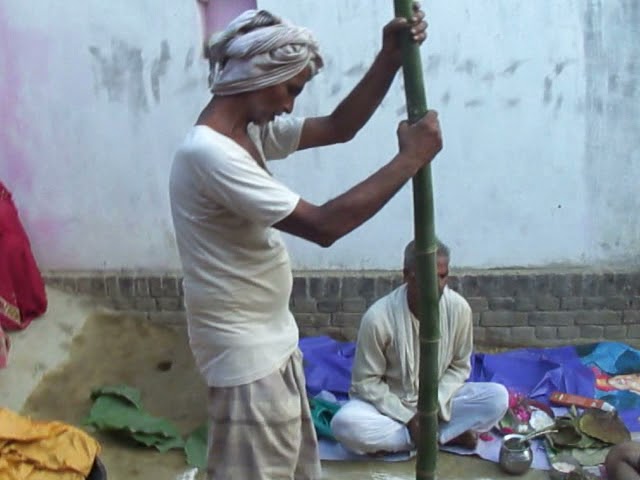
▶ Baans Ropna Rasam | Subscribe to @explorenystream
start a captivating journey into the heart of Indian wedding traditions with the Baans Ropna Rasam, a beautiful pre-wedding ritual that signifies auspicious beginnings and familial unity. This ancient custom, deeply rooted in cultural heritage, sets a joyous tone for the impending wedding celebrations, weaving together threads of tradition, happiness, and heartfelt family moments.
The Baans Ropna Rasam, often performed at home amidst the warmth of family, is more than just a ceremony; it's a vibrant expression of cultural identity and the first glimpse into the grand festivities that lie ahead. Join us as we explore the profound significance and intricate beauty of this cherished Indian wedding tradition, as illuminated by the captivating insights from @explorenystream.
The Heart of Tradition: Understanding the Baans Ropna Rasam
The Baans Ropna Rasam, literally translating to "bamboo planting ritual," is a significant pre-wedding ceremony observed in various Hindu communities across India. It typically marks the official commencement of wedding preparations and is imbued with symbolic meaning that resonates deeply within the cultural fabric. While the specifics may vary slightly from region to region or even family to family, the core essence remains constant: to invoke blessings for a prosperous and harmonious married life for the couple.
Symbolism of the Bamboo: Growth and Resilience
- Growth and Fertility: Bamboo, known for its rapid growth and resilience, symbolizes the desire for the couple's family to grow and flourish, blessed with fertility and prosperity. It represents the start of a new lineage and the continuation of family traditions.
- Strength and Endurance: The inherent strength and flexibility of bamboo are often seen as metaphors for the qualities desired in a marriage – the ability to withstand challenges, adapt to changes, and remain strong through thick and thin.
- Auspicious Beginnings: Planting anything, especially something as robust as bamboo, is considered an auspicious act in Hinduism, signifying a positive start and inviting good fortune into the home and for the upcoming union.
When and Where It Takes Place
The Baans Ropna Rasam is usually conducted several days or even weeks before the main wedding ceremony. It's primarily a home-based ritual, performed at the residences of both the bride and groom, either simultaneously or on separate auspicious days. The intimate setting allows close family members to participate actively, making it a truly personal and heartwarming affair. The video from @explorenystream beautifully captures this domestic intimacy, showcasing the ritual unfolding within the family home, surrounded by loved ones.
The Ritual Unfolds: A Step-by-Step Glimpse into the Ceremony
While the video provides a snapshot, understanding the typical flow of the Baans Ropna Rasam offers a fuller appreciation of its spiritual and cultural depth. The ceremony is often simple yet profoundly meaningful, focusing on devotion and family participation.
Key Elements and Participants
The ritual typically involves:
- The Bamboo Shoot: A fresh bamboo sapling or a small stalk is the central element. This isn't just any bamboo; sometimes, specific varieties are preferred for their symbolism.
- Elders and Family: The ceremony is usually led by the elder women of the family, particularly the mothers, grandmothers, or aunts, whose blessings are considered paramount. Other family members gather to witness and participate in the prayers.
- Traditional Offerings: Items such as turmeric (haldi), kumkum (vermilion powder), rice grains (akshat), water, flowers, and sometimes sweets are offered during the puja (prayer ritual). These are all significant in Hindu ceremonies, each carrying specific blessings.
- Auspicious Spot: The bamboo is planted in a chosen spot, often in the garden or a designated area of the home, symbolizing its rootedness within the family environment.
The Sequence of Events
- Preparation: The chosen area for planting is cleaned and purified. The bamboo shoot is prepared, sometimes decorated with auspicious threads or paste.
- Invocation of Deities: Prayers are offered to various deities, particularly Ganesha, the remover of obstacles, to ensure a smooth and blessed wedding process.
- Planting the Bamboo: The bamboo shoot is carefully placed into the earth. As it is planted, family members, especially the elders, offer prayers and blessings for the couple.
- Offering and Blessings: Traditional offerings like water, haldi, and kumkum are made to the newly planted bamboo, symbolizing nourishment and protection. Family members touch the bamboo and offer their blessings to the couple, wishing them happiness and prosperity.
- Sweets and Celebration: The ceremony concludes with the distribution of sweets (mithai) among family members, signifying the sharing of joy and the beginning of wedding festivities. Laughter, singing, and informal gatherings often follow, strengthening family bonds.
The visual narrative from @explorenystream highlights the joy and communal spirit, depicting family members actively involved, their faces alight with anticipation and happiness.
Cultural Significance and Regional Variations of Baans Ropna Rasam
The Baans Ropna Rasam is a beautiful example of how diverse Indian culture is, with similar rituals appearing in different forms across various communities. While the fundamental intent remains consistent, the nuances in execution add to the rich mix of Indian wedding traditions.
Connecting to Broader Indian Wedding Traditions
This ritual is one of many pre-wedding ceremonies designed to prepare the couple and their families for the momentous occasion. It often precedes or is intertwined with other important rituals like the Haldi (turmeric application), Mehendi (henna application), and Sangeet (musical celebration), each contributing to the festive build-up. These traditions collectively reinforce family bonds, community participation, and the spiritual significance of marriage.
Variations Across India
While the core concept of planting an auspicious item for blessings is common, the specific plant and detailed rituals can differ:
- In some regions, instead of bamboo, other auspicious plants like a peepal sapling or even a specific type of tree might be planted.
- The timing and elaborate nature of the prayers might vary; some families might involve a priest, while others keep it entirely a family affair.
- The songs and traditional verses recited during the Baans Ropna Rasam can be unique to a particular linguistic or regional group, adding a local flavour to the universal theme of blessing.
Irrespective of the variations, the underlying message is always one of hope, blessing, and the celebration of new beginnings, making the Baans Ropna Rasam a universally cherished part of the wedding journey.
The Emotional mix: Family, Happiness, and Anticipation
Beyond its ritualistic aspects, the Baans Ropna Rasam is a deeply emotional event. It's a time when families come together, not just to perform a duty, but to share in the joy, anticipation, and blessings for the couple. The video description perfectly encapsulates this: "Ghar par parivaar ke saath milkar ki gayi yeh rasam, khushi, parampara aur aane wale wedding celebrations ki pehli jhalak dikhati hai." (This ritual performed at home with family, shows happiness, tradition, and the first glimpse of the upcoming wedding celebrations.)
A First Glimpse of Festivities
The ceremony often serves as the first formal gathering of close family members for the wedding. It breaks the ice, allows relatives to reconnect, and ignites the festive spirit. The simple, traditional setting of the Baans Ropna Rasam allows for genuine interactions and heartwarming moments that are often cherished more than the grander, more formal events.
Strengthening Family Bonds
In an era where nuclear families are common, such traditions play a vital role in bringing together the extended family. Grandparents, parents, siblings, aunts, uncles, and cousins all participate, reinforcing the importance of familial support and community in a marriage. The act of collectively blessing the bamboo, and by extension the couple, symbolizes the collective good wishes and support system surrounding them.
Simple, Traditional, Meaningful
The beauty of the Baans Ropna Rasam lies in its simplicity and profound meaning. It doesn't require elaborate décor or extravagant arrangements; its power comes from the sincerity of the prayers and the love shared among family members. This resonates deeply with the spirit of Indian weddings, which, at their core, are about uniting families and seeking blessings for a lifetime of togetherness.
Plan Your Visit (Metaphorical): Experiencing Indian Wedding Culture
While the Baans Ropna Rasam is a private family affair, understanding and appreciating such rituals enriches any traveller's experience of India. If you're planning to experience Indian culture, particularly during wedding seasons, here's how to engage respectfully and thoughtfully:
Observing and Participating (If Invited)
- Be Respectful: If you are fortunate enough to be invited to an Indian wedding, including pre-wedding ceremonies like the Baans Ropna Rasam, observe local customs and traditions respectfully. Dress modestly and follow the lead of your hosts.
- Engage with Curiosity: Ask questions (politely!) about the significance of rituals. Most Indian families are delighted to share insights into their traditions. This is how you genuinely connect with the culture.
- Capture Moments (with permission): The beauty of these ceremonies often lies in their candid moments. If you wish to take photographs or videos, always ask for permission, especially during personal rituals.
- Taste the Flavours: Food is an integral part of Indian celebrations. Don't shy away from trying the local delicacies and sweets offered during these gatherings.
Best Times to Witness Indian Weddings (Generally)
India's wedding season typically runs from:
- October to March: Post-monsoon, cooler weather makes this the prime wedding season across most of India.
- April to June: While very hot in many parts, some communities have auspicious dates during this period.
Observing a pre-wedding ritual like the Baans Ropna Rasam, as shown by @explorenystream, offers a unique window into the soul of Indian traditions, showcasing the warmth, devotion, and vibrant cultural heritage that define the country's celebrations.
Key Takeaways
- The Baans Ropna Rasam is a significant Indian pre-wedding ritual symbolizing auspicious beginnings and family blessings.
- It typically involves planting a bamboo shoot, representing growth, strength, and fertility for the couple.
- The ceremony is often a simple, home-based affair, fostering intimate family gatherings and strengthening bonds.
- It serves as the initial spark of joy and anticipation, signaling the start of the grand wedding celebrations.
- Understanding such traditions offers deep insight into India's rich cultural heritage and the spiritual significance of marriage.
Frequently Asked Questions
What is the primary significance of the Baans Ropna Rasam?
The primary significance of the Baans Ropna Rasam is to invoke blessings for the couple's prosperous and harmonious married life. The planting of bamboo symbolizes growth, fertility, strength, and endurance, marking an auspicious beginning to the wedding festivities.
Is the Baans Ropna Rasam performed by all Hindu communities?
While the concept of an auspicious planting ritual is common, the specific Baans Ropna Rasam, with bamboo, is prevalent in certain Hindu communities across India. Variations exist, where other auspicious plants might be used, but the underlying intent of seeking blessings for the couple remains universal.
Who typically participates in the Baans Ropna Rasam?
The Baans Ropna Rasam is primarily a family-centric ritual, with elder women of the family (mothers, grandmothers, aunts) often leading the ceremony. Close family members gather to offer prayers, blessings, and share in the joyous occasion.
What does "Baans Ropna" literally mean?
"Baans Ropna" literally translates from Hindi to "bamboo planting." "Baans" means bamboo, and "Ropna" means to plant, referring to the core act of the ritual.
To truly immerse yourself in the warmth and authenticity of this beautiful tradition, we encourage you to watch the full video on the @explorenystream channel. Witness the genuine happiness and cultural richness that the Baans Ropna Rasam embodies, and don't forget to subscribe to @explorenystream for more captivating insights into diverse cultures and travel experiences.