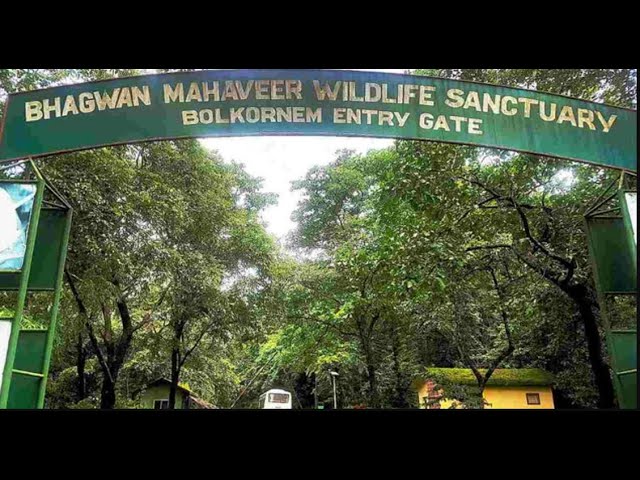
Goa Trip: Bhagwan Mahavir Wildlife Sanctuary 07 Nov 2023 Day3 Spot1
October 10, 2026 — ny_wk
As an Amazon Associate I earn from qualifying purchases.
start an unforgettable journey deep into the verdant heart of Goa, far beyond its sun-kissed beaches, to discover the rich biodiversity and cultural heritage enshrined within the Bhagwan Mahavir Wildlife Sanctuary. This comprehensive guide, inspired by a captivating expedition on November 7, 2023, offers an in-depth look at Goa's largest protected area, providing practical insights for planning your own immersive experience.
Exploring the Verdant Heart of Goa: Bhagwan Mahavir Wildlife Sanctuary
set in the foothills of the majestic Western Ghats, the Bhagwan Mahavir Wildlife Sanctuary, also famously known as Mollem National Park, is a sign of Goa's incredible natural diversity. While many visitors flock to Goa for its coastal allure, the sanctuary, as highlighted in the Goa Trip Day 3 Spot 1 video by @explorenystream, presents an entirely different, equally captivating facet of the state. Covering an expansive area of 240 square kilometers, it is not just Goa's largest wildlife sanctuary but also a critical ecological hotbed, home to a staggering array of flora and fauna.
The journey to the sanctuary itself is an experience, transitioning from bustling coastal roads to winding paths flanked by dense tropical evergreen and moist deciduous forests. This transition marks the beginning of an adventure into a realm where the symphony of cicadas replaces the rhythm of the waves, and the air, heavy with the scent of damp earth and blooming wildflowers, invigorates the senses. The sanctuary serves as a vital corridor for many species, connecting fragmented habitats and playing an indispensable role in maintaining the ecological balance of the region.
Historically, the area has been a sanctuary for life long before its official declaration. Its rugged terrain and abundant water sources have provided refuge for various communities and wildlife for centuries. Today, it is a prime example of successful conservation efforts, balancing the need to protect endangered species with the promotion of responsible eco-tourism. A visit here is more than just sightseeing; it's an opportunity for deep engagement with nature, offering a profound appreciation for the delicate ecosystems that thrive away from human encroachment.
The core attraction of this massive protected area isn't just its wildlife but also its geological and cultural significance. It encompasses the famous Dudhsagar Falls, one of India's tallest waterfalls, and the ancient Tambdi Surla Temple, a marvel of Kadamba-Yadava architecture. This unique combination of natural wonders and historical relics makes the Bhagwan Mahavir Wildlife Sanctuary a multi-faceted destination, catering to nature enthusiasts, trekkers, history buffs, and those simply seeking a tranquil escape from the ordinary.
A Deep Dive into Biodiversity: Flora and Fauna of Mollem
The ecological richness of the Bhagwan Mahavir Wildlife Sanctuary is truly astounding, a vibrant mix woven from countless species of plants and animals. This sanctuary, part of the Western Ghats UNESCO World Heritage Site, has a unique microclimate that fosters an incredible diversity of life, making it a crucial hub for biodiversity conservation.
Mammalian Marvels
- Leopards (Panthera pardus): Elusive and majestic, leopards are among the top predators here, though spotting them requires immense patience and luck.
- Bengal Tigers (Panthera tigris tigris): While extremely rare, there have been historical sightings and evidence of tiger presence, making it a critical conservation area.
- Gaur (Indian Bison, Bos gaurus): India's largest bovine, gaur are a common sight, often seen grazing in herds in the open grasslands or near water sources. Their sheer size and muscular build are impressive.
- Sambar Deer (Rusa unicolor): The largest deer species in India, sambar are frequently encountered, particularly at dawn and dusk.
- Spotted Deer (Chital, Axis axis): Their distinctive white spots against a reddish-brown coat make them easily identifiable. They are often seen in groups.
- Barking Deer (Muntjac, Muntiacus muntjak): Known for their dog-like bark, these small, shy deer are masters of camouflage.
- Sloth Bears (Melursus ursinus): These shaggy-haired, nocturnal omnivores are a treat to spot, often seen foraging for insects or fruits.
- Malabar Giant Squirrel (Ratufa indica): With vibrant multi-colored fur, these arboreal giants are a delight to watch as they leap between tree canopies.
- Various Primate Species: Including bonnet macaques and common langurs, often seen chattering and playing in the trees.
Avian Wonders
For birdwatchers, the sanctuary is a paradise, home to over 120 species of birds, including several endemic to the Western Ghats. The dense canopy and diverse habitats provide ideal conditions for a thriving avian population.
- Indian Hornbill (Buceros bicornis): The call of the great Indian hornbill echoes through the forest, and their impressive size makes them a memorable sight.
- Malabar Pied Hornbill (Anthracoceros coronatus): Smaller than their great Indian cousins but equally striking.
- Kingfishers: Various species, including the common kingfisher and pied kingfisher, can be spotted near water bodies.
- Drongos, Orioles, and Woodpeckers: Adding splashes of color and distinct calls to the forest soundscape.
- Endemic Species: Keep an eye out for species like the Malabar trogon, fairy bluebird, and crimson-backed sunbird.
Reptiles and Amphibians
The moist environment is perfect for plenty of reptiles and amphibians, though many are cryptic and well-camouflaged. Snakes like the King Cobra and Indian Rock Python inhabit the sanctuary, alongside various species of frogs, toads, and lizards.
Botanical Bounty
The flora is equally impressive, characterized by a mix of tropical evergreen, semi-evergreen, and moist deciduous forests. Towering trees like Terminalia, Lagerstroemia, and Xylia form the main canopy, while a rich undergrowth of medicinal plants, orchids, and ferns thrives beneath. The monsoon transforms the sanctuary into a vibrant green wonderland, with seasonal blooms adding to its beauty. The diversity of plant life supports the entire food web, from tiny insects to large herbivores, making every inch of the sanctuary a living laboratory.
Beyond Wildlife: Dudhsagar Falls and Tambdi Surla Temple
A visit to the Bhagwan Mahavir Wildlife Sanctuary extends far beyond its wildlife, offering a captivating blend of natural marvels and ancient heritage. The presence of Dudhsagar Falls and the Tambdi Surla Temple within its boundaries elevates the sanctuary from a mere wildlife preserve to a comprehensive cultural and ecological destination, making it a highlight of any Goa trip itinerary.
The Majestic Dudhsagar Falls
Meaning "Sea of Milk," Dudhsagar Falls is one of India's tallest waterfalls, cascading from a height of over 310 meters (1017 feet) in a spectacular four-tiered fashion. The sight of the water plunging down the rocks, creating a foamy white spray, truly resembles a river of milk, especially during the monsoon season when it is at its most voluminous. The falls are formed by the Mandovi River as it makes its way through the Western Ghats.
- Getting There: Access to Dudhsagar Falls is typically via a jeep safari from Mollem village or Collem (Kulem). The journey itself is an adventure, traversing rough forest tracks and crossing streams, providing an immersive experience of the sanctuary's rugged beauty. The jeep safaris are regulated, and tickets need to be purchased from authorized counters.
- Best Time to Visit: While impressive year-round, the falls are most spectacular immediately after the monsoon (October to December), when the water flow is maximum, and the surrounding foliage is lush green. During the peak monsoon, access might be restricted due to heavy rainfall.
- Experience: Visitors are usually taken to a designated viewing area where they can swim in the natural pool at the base of the falls (conditions permitting). The sight and sound of the roaring water are truly awe-inspiring, a stark contrast to Goa's tranquil beaches.
The Ancient Tambdi Surla Temple
Hidden deep within the sanctuary, often described as Goa's oldest temple, lies the exquisitely preserved Tambdi Surla Mahadev Temple. This 12th-century Shiva temple is a rare surviving example of Kadamba-Yadava architecture, constructed from local basalt rock. Its remote location likely saved it from the destructive forces that befell many other Hindu temples during the Portuguese Inquisition in Goa.
- Architectural Grandeur: The temple is renowned for its intricate carvings, depicting deities, celestial nymphs, and scenes from Hindu mythology. The finely chiseled details on the pillars, walls, and ceiling are a sign of the skill of the artisans of that era. The temple faces east, with a unique pillared entrance hall (mandapa) and an inner sanctum (garbhagriha) housing the lingam.
- Mystique and Serenity: Surrounded by dense forest, the temple exudes an aura of profound peace and mystique. The silence, broken only by the sounds of the jungle, enhances the spiritual experience. It's a place where history, art, and nature converge, offering a glimpse into Goa's pre-colonial past.
- Access: Tambdi Surla is accessible by road, often requiring a slight detour from the main routes through the sanctuary. The drive itself is picturesque, winding through villages and forests. It is advisable to hire a local guide or ensure your driver is familiar with the route.
Together, Dudhsagar Falls and Tambdi Surla Temple provide a holistic experience within the Bhagwan Mahavir Wildlife Sanctuary, showcasing Goa's natural splendor and its rich historical mix. They are essential stops for anyone seeking to dig deeper into the region's diverse offerings.
Planning Your Visit to Bhagwan Mahavir Wildlife Sanctuary
To make the most of your adventure into the Bhagwan Mahavir Wildlife Sanctuary, careful planning is key. Here's a practical guide to help you navigate your trip, drawing insights from the Goa Trip: Bhagwan Mahavir Wildlife Sanctuary 07 Nov 2023 Day3 Spot1 video and expert travel advice.
Best Time to Visit
The ideal time to explore the sanctuary is from October to March.
- October-December: Post-monsoon, the forest is at its most vibrant green, and waterfalls like Dudhsagar are in full glory. The weather is pleasant, making it excellent for trekking and sightseeing.
- January-March: The weather remains cool and dry, perfect for wildlife spotting as animals tend to congregate near dwindling water sources.
- Monsoon (June-September): While the sanctuary is breathtakingly beautiful during the rains, heavy downpours can restrict access to certain areas, especially the Dudhsagar Falls jeep safari tracks. Roads can become treacherous.
- Summer (April-May): Hot and humid, with wildlife sightings becoming more frequent around water bodies, but overall less comfortable for extensive exploration.
Getting There
The sanctuary is located about 60-70 km from Panaji and Margao, in the Sanguem Taluka of South Goa.
- By Road: The most convenient way to reach the sanctuary is by private taxi, rented car, or motorcycle from any part of Goa. The main entry point is near Mollem village, which is well-connected by state highways.
- By Train: The nearest railway station is Colem (Kulem), which is also a popular starting point for the Dudhsagar Falls jeep safari. Trains from Vasco da Gama and Margao stop here.
- By Bus: State-run buses connect Mollem with major towns in Goa, though services might be less frequent.
Accommodation Options
While the sanctuary itself has limited stay options, there are several choices nearby:
- Forest Department Cottages: Basic accommodation inside the sanctuary can be booked through the Goa Forest Department for an immersive experience.
- Private Resorts/Guesthouses: Several eco-friendly resorts and guesthouses are available in and around Mollem, offering comfortable stays and often arranging tours.
- Hotels in Nearby Towns: For those preferring more amenities, staying in towns like Ponda or even Margao and commuting to the sanctuary is a viable option for a day trip.
Essential Tips for Visitors
- Entry Fees and Permits: There are nominal entry fees for the sanctuary. If you plan to visit Dudhsagar Falls by jeep, you'll need to purchase separate jeep safari tickets from the Mollem/Collem counter.
- Dress Code: Wear comfortable, earthy-toned clothing that blends with nature. Full-sleeved shirts and trousers are recommended to protect against insects and scratches.
- Footwear: Sturdy walking shoes or trekking sandals are essential, especially if you plan to trek or visit Dudhsagar Falls.
- What to Carry:
- Water: Stay hydrated, especially during treks.
- Snacks: Carry light snacks, but remember to dispose of all waste responsibly.
- Insect Repellent: Crucial for protection against mosquitoes and other insects.
- Sunscreen and Hat: To shield from the sun.
- Binoculars: For better wildlife viewing.
- Camera: To capture the stunning landscapes and wildlife (respect rules regarding flash photography).
- First-aid Kit: Basic medications, band-aids, antiseptic.
- Respect Wildlife: Maintain a safe distance from animals, do not feed them, and avoid making loud noises that could disturb their natural behavior.
- Guided Tours: Consider hiring a local guide for deeper insights into the flora, fauna, and local culture. They can also enhance your chances of spotting elusive wildlife.
- Leave No Trace: This is paramount. Carry out all your trash, avoid littering, and stick to designated paths. Help preserve this pristine environment for future generations.
- Tambdi Surla Access: Ensure your vehicle is suitable for unpaved roads leading to Tambdi Surla, especially after the monsoon.
Conservation Efforts and Local Community Engagement
The continued existence and flourishing of the Bhagwan Mahavir Wildlife Sanctuary are deeply intertwined with robust conservation efforts and meaningful engagement with local communities. Far from being a pristine, untouched wilderness, the sanctuary exists in a dynamic relationship with the human populations living on its fringes, a balance that requires constant nurturing and strategic management.
Guardians of Biodiversity
The Goa Forest Department plays a pivotal role in managing the sanctuary. Their responsibilities include:
- Anti-Poaching Patrols: Regular patrols are conducted to deter poaching, which remains a threat to various species within the sanctuary.
- Habitat Management: This involves measures like controlled burning (to prevent larger wildfires), removal of invasive species, and water hole management to ensure a stable environment for wildlife.
- Wildlife Monitoring: Tracking animal populations, studying their behavior, and identifying threats are crucial for effective conservation. This often includes camera trapping, pugmark analysis, and direct observation.
- Research and Education: Facilitating scientific research to better understand the ecosystem and conducting educational programs for schools and visitors to foster appreciation and awareness for conservation.
- Enforcement of Regulations: Ensuring visitors adhere to rules and regulations designed to minimize human impact on the environment.
Key to these efforts is the preservation of the Western Ghats' unique biodiversity. The sanctuary acts as a genetic reservoir, protecting numerous endemic species of plants and animals found nowhere else on Earth. The ecological services provided by this intact forest, such as water purification, carbon sequestration, and soil stabilization, benefit not just the local area but the entire region.
Community as Partners in Conservation
The success of conservation in areas like Bhagwan Mahavir Wildlife Sanctuary often hinges on the cooperation of local communities. Many villagers living around the sanctuary have historically depended on forest resources for their livelihoods. Engaging them as partners rather than adversaries is crucial:
- Ecotourism Initiatives: Locals are often employed as guides, jeep drivers for Dudhsagar safaris, or operate small businesses catering to tourists (e.g., selling local crafts, food stalls). This provides alternative income sources, reducing dependence on resource extraction from the forest.
- Awareness Programs: Educating villagers about the importance of wildlife conservation, human-wildlife conflict mitigation, and sustainable practices helps build a sense of ownership and responsibility.
- Incentives for Protection: Schemes that provide benefits for communities actively participating in protection efforts, or compensation for crop damage by wildlife, can help foster goodwill and collaboration.
- Sustainable Resource Management: Collabor