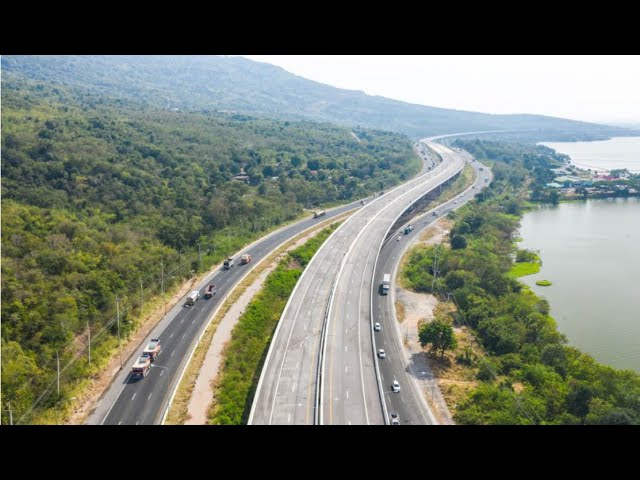
Goa Trip:Goa to Pune Road Travel 08 Nov 2023
October 03, 2026 — ny_wk
As an Amazon Associate I earn from qualifying purchases.
As an Amazon Associate I earn from qualifying purchases.
As an Amazon Associate I earn from qualifying purchases.
As an Amazon Associate I earn from qualifying purchases.
As an Amazon Associate I earn from qualifying purchases.
As an Amazon Associate I earn from qualifying purchases.
As an Amazon Associate I earn from qualifying purchases.
As an Amazon Associate I earn from qualifying purchases.
As an Amazon Associate I earn from qualifying purchases.
As an Amazon Associate I earn from qualifying purchases.
As an Amazon Associate I earn from qualifying purchases.
As an Amazon Associate I earn from qualifying purchases.
As an Amazon Associate I earn from qualifying purchases.
As an Amazon Associate I earn from qualifying purchases.
As an Amazon Associate I earn from qualifying purchases.
As an Amazon Associate I earn from qualifying purchases.
As an Amazon Associate I earn from qualifying purchases.
🛒 Recommended gear on AmazonDisclosure: some links above are affiliate links — if you buy through them I may earn a small commission at no extra cost to you. Thanks for supporting the channel!
As an Amazon Associate I earn from qualifying purchases.
The Ultimate Goa to Pune Road Trip Guide: Everything You Need to Know Before You Drive
The Goa to Pune road trip is one of India's most breathtaking drives — a roughly 450-kilometre journey that winds through the lush Western Ghats, crosses dramatic ghat sections, passes through historically rich towns, and delivers you from the sun-soaked coastal paradise of Goa into the energetic cultural heart of Maharashtra. Whether you're planning your own drive or just hungry for the kind of vivid, honest road-trip storytelling that actually helps you plan, this deep-dive guide covers every kilometre worth knowing about.
November is arguably the single best month to make this drive. The monsoon has retreated, the Ghats are still impossibly green, the air is cool and clear, and the NH48 corridor is at its most photogenic. The Goa to Pune drive on 8 November 2023 documented by the Explore NY Stream channel captures exactly that magic — and this guide expands on every detail so you can replicate, improve, or personalise the journey yourself.
Route Overview: Goa to Pune by Road — Distance, Time, and Highway Breakdown
The standard Goa to Pune road distance via NH48 (the old NH4) sits at approximately 440 to 460 kilometres depending on your exact start and end points within each city. Under good conditions — early departure, light traffic, and no extended stops — most drivers complete the journey in 8 to 10 hours. Factor in the ghat sections, toll plazas, a proper meal stop, and a few compulsory photo breaks, and a realistic estimate is closer to 9 to 11 hours.
The Major Road Segments
- Goa (Panaji/Margao area) to Belgaum (Belagavi): Approximately 160 km. This opening stretch takes you out of coastal Goa, through the industrial outskirts, and into northern Karnataka. Roads here are generally wide and well-maintained.
- Belagavi to Kolhapur: Roughly 110 km crossing the Maharashtra state border. The terrain begins to shift; the road quality on NH48 through this zone has improved significantly after recent widening work.
- Kolhapur to Satara: About 120 km. This is where the drive becomes genuinely spectacular. The road rises through the Sahyadri range, delivering sweeping valley views and cool mountain air.
- Satara to Pune: Approximately 110 km. The final push includes the famous Khed–Shivapur ghat section before the road flattens into the Pune metropolitan area.
Key Highways Used
The primary artery is NH48 (Mumbai–Bengaluru National Highway), which is a four-to-six lane expressway-grade highway through most of its length. Some sections near Kolhapur and the border areas briefly narrow or involve service roads — keep your navigation updated and follow overhead signage carefully.
Why November Is the Perfect Time for the Goa–Pune Drive
Timing a road trip of this scale matters enormously, and November stands apart from every other month on the Goa–Pune corridor for a confluence of reasons that experienced road-trippers have quietly known for years.
Post-Monsoon Green at Its Peak
The Western Ghats receive some of India's heaviest rainfall between June and September. By November, the rain has stopped, but the landscape hasn't yet dried out — you're driving through a corridor of dense, saturated green that won't last beyond January. Waterfalls that thunder in July are now gentle ribbons of silver catching the winter light. Paddy fields glow gold at harvest. If you want the Ghats at their most cinematic, this is your window.
Weather Conditions
November temperatures along this route average 18°C to 28°C at higher elevations and perhaps 24°C to 32°C in the plains sections. Early morning departures from Goa — the kind serious road-trippers always favour — mean you're climbing into the Ghats during the coolest part of the day. There's no oppressive heat, no monsoon downpours to navigate, and no summer haze obscuring your view. It's genuinely comfortable driving weather.
Road and Traffic Conditions
Post-monsoon means the roads have recovered from any damage the heavy rains caused, and highway maintenance crews typically carry out patching work in October. November traffic is moderate — the peak tourist season in Goa hasn't fully kicked in yet (that arrives closer to Christmas and New Year), so you won't face the convoy-style weekend traffic that plagues the route in December and January. An 8 November departure, like the one documented here, hits a near-perfect sweet spot.
The Drive Experience: Landmarks, Stops, and Highlights Along the Way
A road trip is never just the destination — it's every rest stop, every roadside chai, every viewpoint that makes you pull over without planning to. The Goa to Pune drive is genuinely rich with these moments.
Leaving Goa: The Mandovi Bridge and NH48 Entry
Departing from Panaji, you'll cross the Mandovi River Bridge, one of those quiet, atmospheric moments where the Arabian Sea's influence is still palpable — salt air, fishing boats on the river, the low Goan light. Heading southeast, the road soon climbs past cashew plantations and laterite-soil landscapes that are distinctly Goan before the terrain shifts into Karnataka.
Belagavi (Belgaum): The First Major City
Belagavi is a natural first major stop — roughly two to three hours from central Goa. It's a significant city with good fuel stations, clean highway restaurants, and if you time it right, an excellent breakfast stop. The city has deep historical significance as a former Maratha stronghold and later a major British cantonment. If you have even thirty minutes to spare, the Belagavi Fort near the city centre is worth a brief detour for history enthusiasts.
The Maharashtra Border and Kolhapur
Crossing into Maharashtra signals a shift in both landscape and culture. Kolhapur — roughly four to five hours from Goa — is one of India's most historically and gastronomically significant cities. It is the birthplace of Kolhapuri chappal (the iconic handcrafted leather sandal), a legendary wrestling tradition, and most famously, Kolhapuri cuisine — fiery, robust, and unlike anything else in Maharashtra. The Mahalaxmi Temple in Kolhapur is one of Maharashtra's most sacred shrines and, if you're not pressed for time, genuinely worth a visit.
From a food standpoint, stopping for a Kolhapuri mutton or chicken thali at one of the highway-adjacent dhabas is a rite of passage on this route. These aren't tourist traps — they're the real thing, eaten by locals and truckers who know exactly where to stop.
The Karad and Satara Section: Heart of the Ghats
Beyond Kolhapur, as you push north toward Karad and then Satara, the highway becomes one of India's most visually rewarding drives. The road climbs and descends through folds of the Sahyadri mountain range, offering sudden panoramic views of valleys that drop hundreds of metres below. Satara district is dotted with forts — Ajinkyatara Fort, Vasota Fort, and the historically monumental Pratapgad Fort (about 24 km off the main highway) where Chhatrapati Shivaji Maharaj famously defeated Afzal Khan in 1659.
The Khed–Shivapur Ghat: Final Challenge Before Pune
The last major geographic challenge before Pune is the Khed–Shivapur ghat section on NH48. This descent (when travelling from Satara toward Pune) involves a series of tight curves, gradient changes, and occasional slow-moving truck convoys. It demands your full attention as a driver — especially if you're driving a vehicle you're not fully familiar with. That said, it's also strikingly beautiful, and the moment the Pune plains open up below you as you descend is one of those travel moments that makes the entire journey worthwhile.
Practical Driving Tips for the Goa to Pune Road Trip
Great road trips reward preparation. These aren't generic tips — they're specific to the realities of this particular route in its current condition.
Departure Time
Leave by 5:30–6:00 AM from Goa. This gets you through Belagavi before the morning truck rush, positions you in Kolhapur for a mid-morning or lunch stop, and ensures you're descending the Khed–Shivapur ghat in daylight. Arriving in Pune before dark is both safer and more enjoyable.
Fuel Strategy
- Fill up fully before leaving Goa — fuel prices in Goa are among the lowest in India due to lower state taxes.
- Top up again at Belagavi if your tank is below half.
- Highway petrol stations are plentiful and reliable throughout — no range anxiety needed for petrol/diesel vehicles.
- EV drivers note: Charging infrastructure on this route is improving but still sparse outside major cities. Plan carefully and verify charger availability at Kolhapur before departure.
Toll Information
You'll pass through multiple toll plazas on NH48. Keep FASTag active and with sufficient balance — nearly all plazas are FASTag-mandatory now, and the cash lane queues can add significant delays. Estimate total tolls in the range of ₹400–₹600 for a private car, varying by vehicle category.
Food and Rest Stops
The highway is well-served by both branded highway restaurants (Hotel Kamat, Sai Sagar, and similar chains are consistent performers) and excellent local dhabas. Don't skip the dhabas in favour of only branded stops — some of the best food on this route is at small, roadside establishments that have been feeding truckers for decades.
Navigation and Connectivity
Google Maps handles this route well, but download the offline map section covering Goa–Pune before you leave. Mobile connectivity can dip in a few ghat sections. Keep your phone mounted safely and audio navigation enabled so you're not glancing down on curves.
Vehicle Check Before Departure
- Tyre pressure and spare tyre condition
- Engine oil and coolant levels
- Brakes — the ghat descents demand reliable stopping power
- Wiper blades — even in November, morning mist in the Ghats can reduce visibility
Plan Your Visit: The Goa to Pune Road Trip at a Glance
Best time to travel: October through February; November is optimal for greenery, weather, and traffic balance.
Total distance: ~450 km via NH48
Realistic drive time: 9–11 hours including stops
Recommended departure: 5:30–6:00 AM from Goa
Must-stop points: Belagavi (breakfast/fuel), Kolhapur (lunch + sightseeing), Satara (tea/viewpoint), Khed–Shivapur ghat (photo stop)
Estimated fuel cost: ₹1,800–₹2,800 depending on vehicle and fuel type
Estimated toll cost: ₹400–₹600 for a private car
Key highway: NH48 (Mumbai–Bengaluru National Highway)
Navigation: Google Maps (download offline); keep FASTag active
What to carry: Water, snacks, car charger/power bank, physical roadmap as backup, basic first-aid kit
Key Takeaways
- November is the sweet spot for the Goa to Pune drive — post-monsoon greenery, comfortable temperatures, and manageable traffic make it the most rewarding month to attempt this journey.
- NH48 is the backbone of the route, covering approximately 450 km through Karnataka and Maharashtra, with the most dramatic scenery concentrated in the Kolhapur–Satara–Khed Shivapur section through the Western Ghats.
- Kolhapur deserves more than a fuel stop — the cuisine, the temple, and the cultural richness of the city make it the journey's natural highlight for travellers willing to pause.
- Early departure is non-negotiable — a pre-6 AM start optimises daylight, avoids peak truck traffic, and gives you the flexibility to explore without rushing the final approach into Pune.
- Preparation is what separates a great road trip from a stressful one — charged FASTag, full fuel tank from Goa, offline maps, and a vehicle in good mechanical health are the four pillars of a smooth drive on this route.
Frequently Asked Questions
How long does the Goa to Pune road trip take by car?
The Goa to Pune drive typically takes 9 to 11 hours by car, covering approximately 450 km via NH48. This estimate includes reasonable stops for fuel, food, and rest. Starting early (by 6 AM) allows you to arrive in Pune before dark even with sightseeing detours in Kolhapur or Satara.
Is the Goa to Pune highway drive safe?
Yes, the Goa to Pune highway via NH48 is generally considered safe for private vehicles. The road is a four-to-six lane national highway through most of its length. The key sections requiring extra caution are the ghat areas — particularly Khed–Shivapur — where gradient changes and curves demand careful driving. Avoid night driving through ghat sections if possible.
What are the best stops on the Goa to Pune road trip?
The most rewarding stops on the Goa to Pune road trip are