
Paramparik Sthapana Rasam (Talab Par)
October 20, 2026 — ny_wk
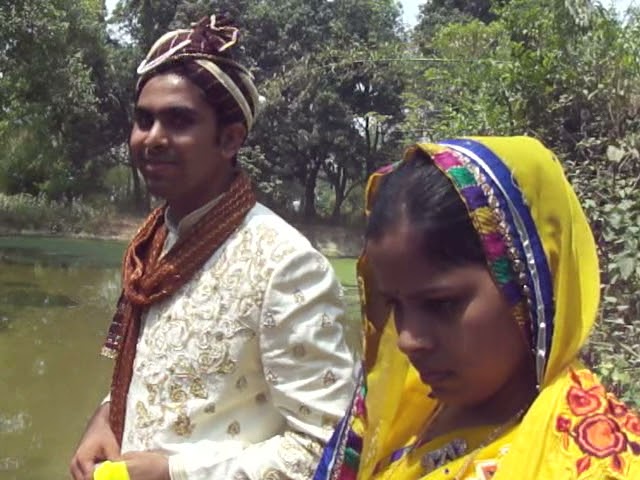
▶ Paramparik Sthapana Rasam (Talab Par) | Subscribe to @explorenystream
Paramparik Sthapana Rasam (Talab Par): India's Sacred Pond-Side Wedding Ritual That Opens the Doors to Auspicious Beginnings
The Paramparik Sthapana Rasam performed at a talab (pond) is one of rural India's most visually striking and spiritually rooted pre-wedding ceremonies — a moment where bamboo, woven mats, pooja essentials, and the quiet shimmer of still water combine to mark the formal, sacred commencement of marriage proceedings. If you've ever witnessed a village wedding in the heartland of India and felt that the ceremonies near the water carried a different kind of gravity, this article will explain exactly why.
What Is the Paramparik Sthapana Rasam? Understanding the Ceremony
The word "Sthapana" comes from Sanskrit, meaning "to establish" or "to install." In the context of a traditional Indian wedding, the Sthapana Rasam is the act of formally establishing the sacred space — the energetic and physical foundation — from which all other wedding rituals will unfold. It is not merely a symbolic gesture; it is considered the moment the divine is invited in, the moment the household or the chosen sacred ground is consecrated for the purpose of marriage.
What makes the Talab Par Sthapana Rasam particularly distinctive is its setting. Rather than being conducted inside a home or under a mandap, this version of the ceremony takes place at the edge of a pond — a talab — drawing on the ancient Indian understanding of water as a purifying, life-giving force. Water in Hindu tradition is not simply H₂O; it is Jal Devata, a living entity worthy of reverence, an element that cleanses karma and sanctifies intention.
The ceremony as shown in the video from @explorenystream captures exactly this essence: bamboo poles, dari (woven floor mats), and an assortment of pooja samagri (worship materials) are arranged at the pond's edge with quiet precision. Family members gather. Prayers are offered. And in doing so, the family announces — to the universe, to their ancestors, and to each other — that something profoundly auspicious is beginning.
The Key Elements Present in the Ceremony
- Baans (Bamboo): Bamboo is considered sacred in many Indian traditions. Its upward, unbending growth symbolizes strength, longevity, and the continuous line of family. In many regional customs, bamboo structures form the framework of the temporary sacred mandap or marker post during ceremonies.
- Dari (Woven Mat): The dari serves as the sacred ground covering — transforming an earthen space into a consecrated one. It is a humble but deeply intentional material, rooted in rural domestic life.
- Pooja ke Saamaan (Worship Essentials): These typically include items such as kumkum (vermillion), haldi (turmeric), flowers, a diya (earthen lamp), coconut, incense sticks, and sometimes betel leaves and nuts — each carrying its own symbolic weight in invoking blessings.
- The Talab (Pond): The water body itself is a participant in the ritual, not just a backdrop. Its presence ensures that the ceremony is aligned with natural forces — the element of water blessing the proceedings with fluidity, continuity, and purity.
The Deep Cultural Roots Behind the Talab Par Tradition
To truly appreciate the Paramparik Sthapana Rasam at the talab, you have to step back into the geography and cosmology of Indian village life. For centuries — long before piped water, before electricity, before weddings moved into air-conditioned banquet halls — the local pond was the heartbeat of the village. It was where women gathered to wash clothes, where farmers watered their fields, where children learned to swim, and where festivals found their most dramatic expression.
The talab was a community commons in the truest sense. Performing a wedding ritual at its edge was therefore not just about accessing water — it was about anchoring the marriage in the shared life of the entire village. The whole community, in effect, became a witness. The pond's waters were the memory of generations.
In many parts of northern, central, and eastern India — particularly in states like Uttar Pradesh, Bihar, Madhya Pradesh, Jharkhand, and Chhattisgarh — wedding customs near water bodies remain very much alive. The specific form of the Sthapana Rasam varies by region and community, but the underlying theology is consistent: you do not begin something sacred without first establishing a sacred space, and that space is ideally connected to the living elements — water, earth, air, and fire.
Why the Talab (Pond) Is Chosen Over a River or Well
Rivers, in Indian tradition, are often associated with moksha — liberation and the journey of the soul after death. Wells are domestic and private. But the talab occupies a middle, communal space — associated with fertility, sustenance, and shared prosperity. For a wedding — an event that is fundamentally about community, continuity, and the creation of new life — the pond is the perfect setting. It is still water, reflective, patient, and abundantly present: qualities one hopes to cultivate in a marriage.
Step-by-Step: How the Sthapana Rasam Unfolds at the Pond's Edge
While every family and community brings its own variations to the ceremony, the broad framework of the Talab Par Sthapana Rasam follows a recognizable sequence that has been passed down through generations. Here is how the ritual typically unfolds:
1. Selection and Preparation of the Spot
The location at the pond's edge is chosen by elders, sometimes in consultation with the family's pandit (priest). The ground is cleaned and the dari is laid down. Bamboo poles are erected to mark the sacred perimeter or to support any covering. This preparation is itself considered part of the ritual — not mere logistics.
2. Gathering of the Family
The ceremony is explicitly a family affair. Grandparents, parents, aunts, uncles, siblings — all gather at the pond. Their collective presence is not incidental; it is integral. In rural Indian tradition, a marriage is not between two individuals but between two families and, by extension, two communities. The Sthapana Rasam is the moment that family unit assembles and declares its intention together.
3. Invocation and Pooja
The family priest or an elder begins the pooja. The Jal Devata — the deity of the water — is invoked first, with water from the pond itself often being used in the ceremony. Kumkum, haldi, flowers, and incense are offered. A coconut, often considered the most auspicious of offerings, is placed prominently. A diya is lit — even in daylight — because its flame represents the divine witness.
4. Anchoring the Baans (Bamboo)
The bamboo pole, known in some traditions as the maan or sacred post, is planted firmly in the ground near the water's edge. This act carries enormous symbolic weight. The bamboo is the axis of the ceremony — the point around which the auspicious energy is organized. In some communities, specific mantras are chanted during this moment.
5. Formal Declaration of Auspicious Beginning
The elders offer prayers, and the ceremony concludes with the formal declaration that shubh kaam ki shuruaat — the commencement of auspicious work — has taken place. From this moment forward, the wedding preparations proceed with the understanding that the divine sanction has been received.
Why This Ceremony Matters in the Age of Destination Weddings and Digital Invitations
There is an increasingly urgent conversation in India and among the Indian diaspora about what gets lost when traditional ceremonies are condensed, skipped, or replaced by more "modern" alternatives. The Paramparik Sthapana Rasam sits at the heart of this conversation.
In an era of destination weddings at five-star resorts, the image of a family carrying a woven mat and bamboo to a village pond feels almost countercultural. And yet, that is precisely its power. What the ceremony offers cannot be replicated by a grand chandelier or a professional lighting rig: it offers rootedness.
The talab knows the family. It has been there through droughts and monsoons, through funerals and harvests. When the family brings their wedding ritual to its edge, they are saying: we remember where we come from. They are placing their joy in a context larger than a single event. The water, the earth, the bamboo — these are the original witnesses, older than any guest list.
Documenting and sharing videos of ceremonies like this one — as @explorenystream has done — plays a genuinely important cultural role. These visual records become archives. Younger generations who have grown up in cities, who may never have attended a village wedding, encounter through such videos a living inheritance that textbooks rarely capture.
The Connection to Nature That Urban Weddings Have Lost
The Sthapana Rasam at the talab is, at its essence, an act of ecological reverence. The family is not using the pond — they are honoring it. This distinction matters deeply. Traditional Indian ceremonies are embedded in a worldview where humans are participants in nature, not its consumers. As climate conversations intensify globally and communities worldwide seek more sustainable, earth-connected ways of living, the wisdom baked into ceremonies like this one deserves renewed attention — not as nostalgia, but as genuine cultural intelligence.
Plan Your Visit: How to Witness or Experience a Traditional Village Wedding Ceremony in India
If the Paramparik Sthapana Rasam and the broader tradition of rural Indian wedding rituals has sparked your curiosity to witness such ceremonies firsthand, here is a practical guide to doing so respectfully and meaningfully.
Best Regions to Experience Authentic Village Wedding Traditions
- Chhattisgarh and Jharkhand: These states have some of the most intact indigenous and semi-indigenous wedding traditions in India, with ceremonies that remain deeply connected to water, forests, and the land.
- Rural Uttar Pradesh and Bihar: The Sthapana Rasam and related pre-wedding rituals near water bodies are common in these regions, particularly among communities that maintain agrarian lifestyles.
- Rajasthan: While known for grand royal weddings, Rajasthani village weddings near baolis (stepwells) and village ponds carry their own extraordinary ceremonial heritage.
- Odisha and West Bengal: Both states have rich traditions of water-connected wedding rituals, especially in delta and river-adjacent communities.
Best Time to Visit
Indian wedding season typically runs from October through March, avoiding the monsoon period. Within this window, auspicious dates (muhurtas) clustered around festivals like Diwali, Kartik Purnima, and Makar Sankranti tend to see the highest concentration of village wedding ceremonies.
How to Attend Respectfully
- Always seek permission from the family before attending or photographing any private ceremony.
- Dress modestly and appropriately — traditional Indian attire is appreciated and shows respect.
- Do not touch or disturb the pooja materials or the sacred space without explicit invitation.
- Engage through local cultural tourism organizations or village homestays, which can facilitate introductions to families willing to share their traditions with respectful visitors.
- Consider engaging a local cultural guide who can explain the meaning of each element in real time — the depth of these ceremonies is only accessible through context.
What to Bring (and What to Leave Behind)
Bring a quiet, observant presence. Bring curiosity and genuine respect. Leave behind assumptions about what a wedding "should" look like. The richest experience of the Talab Par Sthapana Rasam comes to those who arrive without agenda — willing simply to witness something ancient and alive.
Key Takeaways
- The Paramparik Sthapana Rasam is a foundational pre-wedding ritual in which a sacred space is formally established — often at a pond's edge — to invite divine blessing on the marriage proceedings.
- Bamboo, woven mats (dari), and pooja samagri are the central material elements of the ceremony, each carrying deep symbolic significance rooted in nature and community life.
- The choice of the talab (pond) as the ceremony's location reflects an ancient Indian cosmology that recognizes water as a living, sacred force — a witness to community life across generations.
- Family togetherness is not incidental to the ceremony; it is the ceremony — the Sthapana Rasam only exists in the gathering of people who share blood, memory, and intention.
- In an era of increasingly commercialized weddings, the Talab Par Sthapana Rasam represents a powerful counter-narrative: that the most auspicious beginnings are not the most expensive ones, but the most rooted ones.
Frequently Asked Questions
What is the Paramparik Sthapana Rasam in Indian weddings?
The Paramparik Sthapana Rasam is a traditional pre-wedding ceremony in which a sacred space is ritually established before other wedding rituals begin. The word "Sthapana" means "to establish" or "to install," and the ceremony involves arranging bamboo, woven mats, and worship materials (pooja samagri) to formally invite divine blessings and mark the auspicious commencement of wedding activities. When performed at a talab (pond), the water body itself is honored as a sacred participant in the proceedings.
Why is the Sthapana Rasam performed near a pond (talab)?
In Indian tradition, water is considered a purifying and life-giving sacred force. The village pond, or talab, historically served as the communal heart of rural life — shared by the entire community across all occasions. Performing the Sthapana Rasam at the pond's edge anchors the wedding in the natural and community landscape, invokes the blessings of water as a living element, and connects the marriage to the collective memory and life of the village.
Which regions of India practice the Talab Par Sthapana Rasam?
While variations of the Sthapana Rasam exist across many Indian communities,