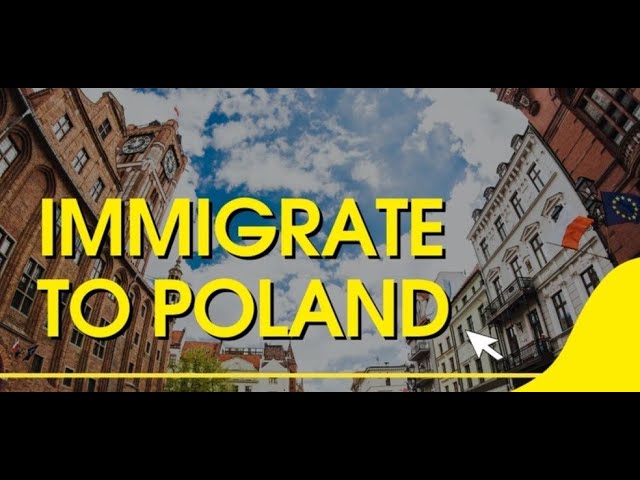
Relocate to Poland Question and Answers part 1
October 01, 2026 — ny_wk
🛒 Recommended gear on AmazonDisclosure: some links above are affiliate links — if you buy through them I may earn a small commission at no extra cost to you. Thanks for supporting the channel!
As an Amazon Associate I earn from qualifying purchases.
Considering a move to Europe? Poland has emerged as a compelling destination for many seeking a vibrant culture, a lower cost of living, and a strategic location. This comprehensive guide, inspired by @explorenystream's insightful Q&A, delves deep into what it truly means to relocate to Poland, covering everything from daily expenses to cultural nuances.
Relocating to Poland can be an incredibly rewarding experience, offering a blend of historical charm and modern opportunities. Whether you're eyeing a new career path, a change of scenery, or simply a more affordable lifestyle, understanding the practicalities before you pack your bags is paramount. This article aims to provide an exhaustive overview, drawing from common questions and experiences to equip you with the knowledge needed for a smooth transition.
The Allure of Poland: Why Expats Are Flocking
Poland, a country rich in history and resilience, has recently gained significant traction as a top destination for expatriates. Its strategic location in Central Europe, coupled with a robust economy and a welcoming atmosphere, makes it an attractive option for individuals and families alike. The initial draw often stems from the comparatively lower cost of living relative to Western European nations, without compromising on quality of life or access to modern amenities. Major cities like Warsaw, Krakow, and Wroclaw boast thriving job markets, particularly in IT, finance, and business services, providing ample professional opportunities for those looking to work in Poland.
Beyond economics, Poland offers a unique cultural mix. From the medieval charm of Krakow's Old Town to Warsaw's rebuilt post-war grandeur, the country's heritage is palpable. Expats often find themselves enchanted by the vibrant festivals, delicious traditional cuisine, and the warmth of Polish hospitality. The natural beauty is also a significant draw, with the Tatra Mountains offering breathtaking hiking and skiing, and the Baltic Sea providing serene coastal escapes. For many, the decision to relocate to Poland is about embracing a new adventure, a slower pace of life, and the chance to immerse oneself in a rich, European culture.
- Economic Stability: A strong and growing economy, part of the EU, offers numerous job prospects.
- Cultural Richness: Deep historical roots, vibrant arts scene, and delicious gastronomy.
- Affordability: Generally lower cost of living compared to Western Europe, particularly for housing and daily expenses.
- Strategic Location: Easy access to other European countries for travel and business.
- Friendly Environment: A welcoming attitude towards foreigners, especially in larger cities.
working through the Practicalities: Visas, Residency, and Work Permits
One of the most crucial aspects of moving to Poland is understanding the legal framework surrounding visas, residency, and work permits. For EU/EEA and Swiss citizens, the process is relatively straightforward, primarily requiring registration of residence after arrival. However, for third-country nationals, the journey involves more steps, often beginning with obtaining a D-type national visa from a Polish consulate in their home country, followed by applying for a temporary residence permit (Karta Pobytu) once in Poland.
Work Permits and Job Market Insights
Securing a work permit is a prerequisite for most non-EU citizens seeking employment. Typically, the employer initiates this process, demonstrating that they couldn't find a suitable candidate within the EU. The Polish job market is robust, particularly in sectors like IT, BPO (Business Process Outsourcing), shared services, and increasingly, manufacturing. Proficiency in English is often sufficient for positions in international companies, but learning basic Polish phrases will undoubtedly enhance your experience and job prospects, especially in more local settings.
- EU/EEA Citizens: Register your stay with the local Voivodeship Office (Urząd Wojewódzki) within 90 days.
- Non-EU Citizens:
- Schengen Visa: For short stays (up to 90 days).
- National (D-type) Visa: Required for longer stays, often issued for work, study, or family reunification.
- Temporary Residence Permit (Karta Pobytu): Applied for in Poland, allowing stays longer than the visa duration. This can be based on employment, study, or family ties.
- Work Permit: Usually obtained by your employer. Crucial for legal employment.
It's vital to begin the visa and permit application process well in advance of your planned relocation, as processing times can vary significantly. Consulting the official Polish government websites or a reputable immigration lawyer can provide the most up-to-date and accurate information tailored to your specific situation.
The Cost of Living in Poland: A Detailed Breakdown
Understanding the cost of living is perhaps the most significant factor for anyone considering a move to Poland. Generally, Poland offers a significantly lower cost of living compared to countries in Western Europe or North America, making it an attractive option for those seeking to maximize their budget without sacrificing quality of life. However, costs can vary widely depending on your chosen city, lifestyle, and individual preferences.
Housing: Rent vs. Purchase
Rent is often the largest monthly expense. In major cities like Warsaw or Krakow, a modern one-bedroom apartment in the city center can range from 2,500 PLN to 4,500 PLN (approximately 550-1,000 EUR) per month, while outside the center, prices might drop to 1,800 PLN to 3,000 PLN. Smaller cities or rural areas will naturally offer much more affordable options. Utilities (electricity, heating, water, internet) typically add another 400-800 PLN per month. Purchasing property is an option for long-term residents, but rent is usually the starting point for most expats.
Groceries and Dining Out
Food expenses are quite reasonable. A typical monthly grocery bill for an individual might range from 800 PLN to 1,500 PLN, depending on dietary habits and where you shop. Local markets often provide fresher produce at lower prices. Dining out can also be affordable; a meal at an inexpensive restaurant might cost 30-60 PLN, while a three-course meal for two at a mid-range restaurant could be 120-200 PLN. Local 'milk bars' (bar mleczny) offer traditional Polish fare at incredibly low prices.
Transportation and Leisure
Public transportation in Polish cities is efficient and affordable. A monthly pass in Warsaw, for example, costs around 110 PLN. Taxis and ride-sharing services are also readily available and reasonably priced. For leisure, cinema tickets are around 25-35 PLN, gym memberships 80-150 PLN, and a local beer around 10-15 PLN. Poland's natural beauty offers numerous free or low-cost outdoor activities.
Healthcare and Education
Poland operates a public healthcare system (NFZ) funded by contributions, which most employees are automatically part of. This provides access to medical services, though waiting times can be long. Many expats opt for supplementary private health insurance for faster access and broader choice, with plans typically starting from 100-300 PLN per month. For education, public schools are free, but instruction is in Polish. International schools, found in major cities, offer English-language curricula but come with significant tuition fees, often ranging from 2,000 PLN to 8,000 PLN per month.
Here's a snapshot of average monthly costs (for a single person, in PLN, excluding rent):
- Groceries: 800 - 1,500 PLN
- Utilities: 400 - 800 PLN
- Public Transport Pass: 110 - 150 PLN
- Dining Out (occasional): 200 - 400 PLN
- Leisure/Entertainment: 200 - 500 PLN
- Phone/Internet: 80 - 150 PLN
Total estimated monthly expenses (excluding rent): 1,790 - 3,500 PLN (approx. 400-800 EUR). This demonstrates that while salaries might be lower than in some Western countries, the purchasing power in Poland is often higher, allowing for a comfortable lifestyle.
Healthcare, Education, and Daily Life for Expats
Settling into daily life in Poland involves understanding the local systems for healthcare, education, and general societal norms. These aspects significantly shape the expat experience and are crucial for a smooth transition.
Healthcare System
Poland's healthcare system comprises both public (NFZ - National Health Fund) and private sectors. As an employee, you and your family are typically covered by the public system through social security contributions. This entitles you to free primary care, specialist consultations (with referrals), hospital stays, and emergency services. However, public clinics can have long waiting times, especially for specialists. Many expats opt for private health insurance or pay out-of-pocket for private clinics, which offer faster appointments, English-speaking doctors, and a higher level of comfort. Major private providers include Luxmed, Medicover, and Enel-Med, offering various packages to suit different needs.
Education Options for Families
For families relocating to Poland, education is a primary concern.
- Public Schools: These are free, but instruction is entirely in Polish. This can be an excellent option for younger children who are quick to adapt and learn a new language.
- International Schools: Located primarily in Warsaw, Krakow, and other larger cities, these schools offer curricula like the International Baccalaureate (IB), British, or American systems, with English as the primary language of instruction. While providing a familiar educational environment for expat children, tuition fees are substantial.
- Bilingual Schools: Some private Polish schools offer bilingual programs, combining Polish and English instruction, which can be a good middle-ground.
It's advisable to research and apply to schools well in advance, as international schools often have waiting lists.
Language and Integration
While English is widely spoken in business environments and by younger generations, especially in major cities, learning Polish can significantly enhance your experience and aid in daily interactions. Even a few basic phrases ('Dzień dobry' - good morning, 'Dziękuję' - thank you, 'Proszę' - please/you're welcome) will be genuinely appreciated by locals. There are numerous language schools and online resources available. Poles are generally welcoming and friendly, though directness in communication is common and should not be mistaken for rudeness. Participating in local events, joining expat groups, and being open to new experiences are great ways to integrate into the community.
Banking and Finance
Opening a bank account in Poland is straightforward, typically requiring a passport, PESEL number (Polish national identification number), and proof of address. Major banks like PKO BP, mBank, Millenium Bank, and ING Bank Śląski offer English-language services and online banking. Poland uses the Polish Złoty (PLN). Credit and debit cards are widely accepted, and contactless payments are standard.
Exploring Polish Culture and Lifestyle
Embracing Polish culture is perhaps one of the most rewarding aspects of relocating. Poland has a rich mix of traditions, historical narratives, and a distinct social fabric that provides a unique living experience. From its fervent Catholicism to its strong family values and love for hearty cuisine, understanding these elements will help you integrate smoothly.
Traditions and Values
Polish culture is deeply rooted in history, with a strong sense of national identity and pride. Family values are paramount, and multi-generational households are still common. Respect for elders and traditional etiquette are highly regarded. Catholicism plays a significant role in many Poles' lives, influencing holidays and social customs. Christmas and Easter are celebrated with great importance, featuring unique traditions like Wigilia (Christmas Eve supper) and Święconka (blessing of food on Easter Saturday).
- Hospitality: Poles are known for their warmth and hospitality, especially when inviting guests into their homes. Expect generous portions of food and drink.
- Politeness: Formalities are common, especially when addressing strangers or elders. Use 'Pan' (Mr.) and 'Pani' (Ms./Mrs.) until invited to use first names.
- National Holidays: Be aware of public holidays, many of which are religiously or historically significant, as businesses often close.
Culinary Delights
Polish cuisine is hearty, flavorful, and incredibly diverse. It's much more than just pierogi, though those are certainly a must-try! Expect dishes rich in meat, potatoes, and root vegetables, often accompanied by sour cream or dill.
- Pierogi: Dumplings with various fillings (meat, cheese and potato, cabbage and mushroom, fruit).
- Bigos: Hunter's stew, a slow-cooked dish of sauerkraut, fresh cabbage, and various meats.
- Żurek: A sour rye soup, often served with sausage and a hard-boiled egg.
- Gołąbki: Cabbage rolls filled with minced meat and rice.
- Kotlet Schabowy: A breaded pork cutlet, similar to a Wiener Schnitzel.
Polish pastries and sweets are also a treat, with pączki (donuts) and sernik (cheesecake) being popular choices. And of course, Polish vodka has a worldwide reputation.
Social Etiquette and Communication
Poles tend to be more reserved in initial encounters compared to some cultures, but once a connection is made, they are incredibly loyal and friendly. Direct eye contact is generally seen as a sign of sincerity. Handshakes are common greetings, even among friends. Punctuality is appreciated, especially for social engagements. While seemingly reserved, Poles possess a dry wit and a strong sense of humor, which becomes apparent once you get to know them. Engaging in polite conversation, showing genuine interest in their culture, and making an effort with the language will go a long way in fostering positive relationships.
Plan Your Visit: Essential Tips for Relocating to Poland
Armed with knowledge, you're now better prepared to plan your relocation to Poland. Here are some actionable tips to ensure a smoother transition:
- Research Thoroughly: Before committing, visit Poland. Spend time in your target city to get a feel for daily life, neighborhoods, and amenities.
- Secure Housing Early: Especially in major cities, good apartments can be snapped up quickly. Consider short-term rentals upon arrival while you search for a long-term place. Use reputable real estate agents or platforms like Otodom.pl.
- Understand the Job Market: If you plan to work, research job opportunities in your field and Polish work permit requirements. Update your CV to a European format.
- Budget Realistically: While Poland is affordable, unexpected costs can arise. Have a financial buffer for your first few months.
- Learn Basic Polish: Even a few phrases will make a significant difference in daily interactions, showing respect for the local culture.
- Get Your Documents in Order: Ensure your passport, visa, and any other necessary identification or permits are valid and easily accessible. Photocopy everything.
- Connect with Expat Communities: Online forums and local expat groups can provide invaluable advice, support, and social connections.
- Embrace the Culture: Be open-minded, try new foods, participate in local events, and be patient with cultural differences.
- Healthcare Planning: Understand the public and private healthcare options and make a decision about private insurance.
- Childcare/Education: If moving with children, research schools and childcare facilities well in advance of your arrival.
Key Takeaways
- Poland offers an attractive combination of lower living costs, a strong economy, and a rich cultural experience for expats.
- Visa and residency requirements vary significantly for EU vs. non-EU citizens, necessitating careful planning and application processes.
- The cost of living, particularly housing and groceries, is considerably lower than in Western Europe, allowing for a comfortable lifestyle.
- Public healthcare is available through contributions, but private options offer faster access and English-speaking practitioners.
- Embracing Polish culture, learning basic phrases, and connecting with local communities are key to a successful relocation and integration.
Frequently Asked Questions
Is it easy to get a job in Poland as an expat?
The ease of finding a job in Poland largely depends on your skills, industry, and language proficiency. Sectors like IT, finance, BPO, and shared services have high demand for English-speaking professionals. For non-EU citizens, securing a work permit, usually sponsored by an employer, is a crucial step. Networking and online job portals are excellent starting points.
What are the biggest challenges of moving to Poland?
Some common challenges include working through the bureaucratic processes for visas and residency, adapting to the Polish language (though many speak English, especially in cities), adjusting to cultural nuances, and sometimes, the weather (cold winters). However, with preparation and an open mind, these challenges are manageable.
How safe is Poland for expats?
Poland is generally considered a very safe country with low crime rates. Major cities are safe, even at night, though standard precautions against petty theft, like pickpocket