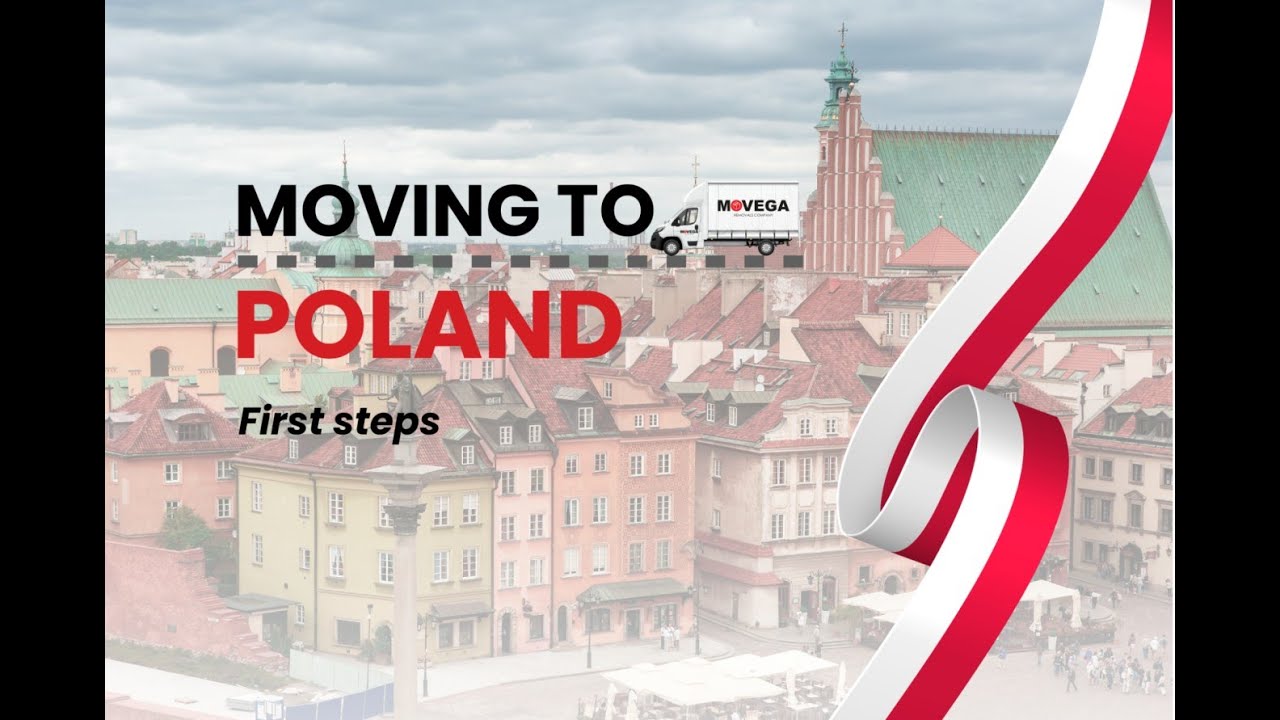
Relocate to Poland Question and Answers part 2
October 01, 2026 — ny_wk
🛒 Recommended gear on AmazonDisclosure: some links above are affiliate links — if you buy through them I may earn a small commission at no extra cost to you. Thanks for supporting the channel!
As an Amazon Associate I earn from qualifying purchases.
Dreaming of a new life abroad? Poland offers a unique blend of rich history, vibrant culture, and growing opportunities, making it an increasingly popular destination for expats. This comprehensive guide, inspired by real questions from prospective movers, delves deep into the practicalities and nuances of relocating to Poland, providing authoritative insights into everything from visa requirements and healthcare to cost of living and cultural integration.
working through the Path to Poland: Visas and Residency Essentials
One of the most pressing concerns for anyone considering a move abroad is, inevitably, the bureaucratic maze of visas and residency. The video "Relocate to Poland Question and Answers part 2" (from @explorenystream) directly addresses many common questions about this crucial first step, echoing the real-world experiences of those who have successfully made the transition.
Visa Types and Entry Requirements
For most non-EU/EEA citizens, a visa is a prerequisite for entering Poland for anything beyond a short tourist stay. The specific type of visa you'll need depends entirely on your purpose for moving. Common categories include:
- Work Visa (Type D - National Visa): This is for individuals who have secured employment in Poland. Obtaining one typically requires a work permit issued by a Polish employer. The process can be intricate, often involving a labor market test to ensure no Polish or EU/EEA citizen is available for the position.
- Student Visa (Type D - National Visa): If your intention is to pursue education in Poland, an acceptance letter from a recognized Polish educational institution is paramount. This visa allows for study and often includes provisions for part-time work.
- Business Visa (Type D - National Visa): For entrepreneurs or those looking to establish a business in Poland. This often requires a robust business plan and evidence of sufficient funds.
- Family Reunification Visa (Type D - National Visa): If you are joining a family member (e.g., spouse, parent) who already has legal residency in Poland.
It's crucial to apply for the correct visa at a Polish embassy or consulate in your home country well in advance of your intended travel date. Requirements typically include a valid passport, proof of funds, travel insurance, and specific documents related to your visa type (e.g., employment contract, university acceptance letter). Be meticulous with your documentation; even minor discrepancies can cause delays.
Temporary and Permanent Residency Permits
A visa typically grants you permission to enter and stay for a specific period. For long-term residency, you'll need to apply for a Temporary Residence Permit (Karta Pobytu). This permit is usually granted for 1-3 years and can be renewed. Eligibility often hinges on demonstrating stable employment, sufficient financial means, and a place of residence.
After a certain period of continuous legal residency (typically 5 years, though this can vary), individuals may be eligible to apply for a Permanent Residence Permit. This offers greater stability and fewer restrictions. The ultimate goal for many is Polish citizenship, which generally requires a longer period of residency, proof of Polish language proficiency, and renunciation of previous citizenship in some cases.
Expert Tip: Always consult the official website of the Polish Ministry of Foreign Affairs or the Polish Border Guard for the most up-to-date information on visa and residency requirements, as regulations can change.
Beyond the Paperwork: The Realities of Living in Poland
Once the initial hurdles of visas and residency are clearer, the focus shifts to the day-to-day realities of living in Poland. From the practicalities of healthcare and banking to the warmth of Polish culture, understanding these elements is key to a smooth transition when you relocate to Poland.
Healthcare System: Public vs. Private Options
Poland operates a public healthcare system, NFZ (National Health Fund), funded by compulsory health insurance contributions. If you are legally employed in Poland, your employer will typically enroll you, and contributions will be deducted from your salary. This grants you access to primary care physicians, specialists, hospital treatments, and prescription subsidies.
- Public Healthcare (NFZ): While comprehensive, the public system can sometimes be characterized by longer waiting times for specialist appointments and certain procedures, especially in larger cities.
- Private Healthcare: Many expats opt for private health insurance or subscribe to private medical packages, which are relatively affordable compared to Western Europe or North America. Private clinics often offer immediate access to English-speaking doctors, a wider range of services, and more comfortable facilities. Popular providers include Luxmed, Medicover, and Enel-Med.
For new arrivals, especially before securing employment, obtaining comprehensive travel insurance that covers medical emergencies is highly recommended. It bridges the gap until you are eligible for public or private health coverage.
Banking and Financial Management in Poland
Opening a bank account in Poland is a fairly straightforward process, essential for managing finances, receiving salary, and paying bills. Major banks like PKO BP, mBank, Santander, and Millenium Bank offer a range of services, including online banking and mobile apps, many with English-language interfaces.
Documents typically required to open an account include:
- Passport or national ID card
- PESEL number (Polish national identification number, which you'll obtain once you register your residence)
- Proof of address (e.g., rental agreement, utility bill)
- Sometimes, proof of income or employment contract.
Many Polish banks are highly digitized, offering convenient payment methods like BLIK (a mobile payment system) and contactless card payments. It's advisable to compare bank fees, exchange rates for international transfers, and the availability of English-speaking customer service before committing to a bank.
Cost of Living: A Balancing Act
One of Poland's significant draws for expats is its generally lower cost of living compared to many Western European and North American countries, especially outside of Warsaw or Krakow. However, it's not uniformly cheap, and major cities naturally command higher prices.
Key expenditure areas:
- Rent: This will likely be your largest expense. A one-bedroom apartment in a city center can range from 2,000 PLN to 4,000 PLN (approx. 450-900 EUR), while outside the city center it could be 1,500 PLN to 3,000 PLN. Prices are significantly lower in smaller towns.
- Utilities: Expect to pay 400-800 PLN monthly for heating, electricity, water, and internet for a small apartment.
- Groceries: Food costs are reasonable. A monthly grocery bill for one person could be around 800-1,200 PLN, depending on dietary choices. Local markets offer fresh produce at excellent prices.
- Transportation: Public transport in Polish cities is efficient and affordable. A monthly pass typically costs 100-150 PLN. Fuel prices for cars are comparable to Western Europe.
- Dining Out & Entertainment: Eating out can be very affordable, especially at local "milk bars" (bary mleczne). A meal in a mid-range restaurant might cost 40-80 PLN, while a beer is typically 10-15 PLN.
While salaries in Poland may be lower than in some Western countries, the purchasing power often balances out, allowing for a comfortable lifestyle. A good benchmark for a comfortable single person's salary in a major city would be 6,000-8,000 PLN net per month, though many live comfortably on less.
Embracing Polish Culture and Society
Relocating to Poland isn't just about logistics; it's about integrating into a new culture. Understanding Polish customs, the language, and the local way of life can significantly enhance your expat experience.
Language Barriers and Learning Polish
Polish is a West Slavic language, and while challenging for English speakers due to its complex grammar and phonetics, it is undeniably rewarding to learn. In major cities and among younger generations, English proficiency is quite common, especially in business and tourist sectors. However, venturing into smaller towns or interacting with older generations will quickly highlight the need for some basic Polish.
Learning even a few key phrases (Dzień dobry - Good day, Dziękuję - Thank you, Proszę - Please/You're welcome) will be greatly appreciated by locals and can smooth many interactions. There are numerous resources available, from online courses and apps to in-person language schools in major cities. Many universities also offer Polish language courses for foreigners.
Benefits of learning Polish:
- Deeper cultural immersion and understanding.
- Easier navigation of bureaucracy and daily life.
- Improved job prospects, especially outside international companies.
- Building stronger local friendships and connections.
Social Etiquette and Cultural Nuances
Polish culture is known for its hospitality, strong family values, and a sense of national pride rooted in a rich, often tumultuous, history. Here are a few cultural points to keep in mind:
- Hospitality: Poles are incredibly hospitable. If invited to a Polish home, bring a small gift (flowers for the hostess, a bottle of wine). Expect to be well-fed!
- Punctuality: While not as rigid as some Northern European cultures, being reasonably on time for social engagements is appreciated.
- Formalities: Address people formally (using titles and last names) until invited to use first names, especially in professional settings or with older individuals.
- Respect for History: Poland's history, particularly WWII and the Communist era, is a sensitive topic. Approach discussions with respect and an open mind.
- Superstitions: Like many cultures, Poles have superstitions. Don't put your handbag on the floor (bad luck for finances!) or shake hands over a threshold.
Polish society is generally conservative but increasingly modern, particularly in urban areas. Open-mindedness and a willingness to learn are your best assets for successful integration.
Planning Your Visit and Making the Move
The journey to relocate to Poland is significant. Thoughtful planning, from an initial exploratory visit to the final move, is crucial for a successful transition.
Exploratory Visit: Scouting Your New Home
Before committing to a full relocation, an exploratory visit is invaluable. This allows you to:
- Experience Different Cities: Warsaw, Krakow, Gdańsk, Wrocław, Poznań – each city has its unique character, job market, and cost of living. Spend time in a few to see where you feel most at home.
- Assess Job Market: If you don't have a job secured, this is an opportunity to network, attend industry events, and gain a realistic understanding of local job prospects.
- Research Accommodation: Get a feel for different neighborhoods, rental prices, and the quality of housing available.
- Immerse Yourself: Use this time to test out public transport, visit grocery stores, try local cuisine, and simply observe daily life. Does it resonate with you?
An exploratory visit should be more than just tourism; it's an immersive reconnaissance mission for your future.
Packing and Shipping: Practical Advice
with the physical move, deciding what to bring and what to leave behind is a common dilemma. Poland has excellent infrastructure, and most goods are readily available. Consider:
- Essential Documents: Keep all vital documents (passports, visas, birth certificates, educational diplomas, medical records) in your carry-on luggage.
- Clothing: Poland experiences four distinct seasons. Pack layers, including warm winter clothing, waterproofs, and lighter summer wear.
- Electronics: Poland uses Type E sockets (two round pins, 230V, 50Hz). Bring adapters and converters if needed. Laptops and phones are generally fine.
- Shipping Options: For larger items, international moving companies or freight services are options. Compare costs carefully; sometimes it's more economical to sell items and repurchase them in Poland. For smaller parcels, international postal services or couriers can work.
Minimize what you ship initially. You can always purchase most household items in Poland, often at reasonable prices, from major retailers like IKEA, Jysk, or local furniture stores.
Finding a Job and Professional Opportunities
The Polish job market has been growing steadily, particularly in sectors such as IT, finance, business process outsourcing (BPO), shared service centers (SSC), and engineering. Major cities like Warsaw, Krakow, and Wrocław are hubs for international companies that often seek English-speaking professionals.
Tips for job searching:
- Online Job Boards: Websites like LinkedIn, Pracuj.pl, Infopraca.pl, and various expat-focused job boards are good starting points.
- Networking: Utilize professional networks, expat groups on social media, and industry events.
- Tailor Your CV: Adapt your resume/CV to Polish standards (often shorter, more concise, sometimes including a photo).
- Visa Sponsorship: Confirm if the potential employer is willing and able to sponsor your work visa.
Even if you plan to work remotely, understanding local labor laws and tax obligations is crucial. Consulting with a local tax advisor or legal professional specializing in expat affairs is highly recommended.
Key Takeaways
- Securing the correct visa and understanding residency permits are the primary steps for any non-EU/EEA citizen relocating to Poland.
- Poland offers a comfortable cost of living, particularly outside major metropolitan areas, making it an attractive option for expats.
- The healthcare system provides both public (NFZ) and affordable private options, catering to different needs and preferences.
- Embracing Polish culture and attempting to learn the language significantly enhances the integration experience.
- Thorough research, including an exploratory visit, and meticulous planning are vital for a smooth transition to life in Poland.
Frequently Asked Questions
What is the average salary needed to live comfortably in Poland?
To live comfortably in a major Polish city as a single person, a net monthly salary of 6,000-8,000 PLN (approximately 1,300-1,800 EUR) is generally considered sufficient, allowing for rent, utilities, groceries, transportation, and some leisure activities. However, it is possible to manage on less, especially outside the largest cities, with careful budgeting.
Is it easy to find English-speaking jobs in Poland?
Yes, it is relatively easy to find English-speaking jobs, especially in sectors like IT, finance, BPO, SSC, and customer service. Major cities like Warsaw, Krakow, Wrocław, and Gdańsk are home to numerous international companies that primarily operate in English. While English proficiency is often enough, learning basic Polish can significantly enhance job prospects and daily life.
What are the biggest challenges for expats moving to Poland?
The biggest challenges for expats often include working through the bureaucratic processes for visas and residency, the initial language barrier (especially outside major cities), and adapting to cultural nuances. Additionally, the Polish winter can be a significant adjustment for those unaccustomed to cold, dark months.
Do I need a PESEL number to live in Poland?
Yes, a PESEL number (Polish national identification number) is highly recommended and often required for various aspects of daily life in Poland. You'll need it for opening a bank account, registering with a doctor, paying taxes, and accessing many public services. It can be obtained after you register your residence in Poland.
Ready to start your Polish adventure? For more direct insights and real-world Q&A, watch the full video "Relocate to Poland Question and Answers part 2" on the @explorenystream channel, and subscribe for more comprehensive guides on international living!