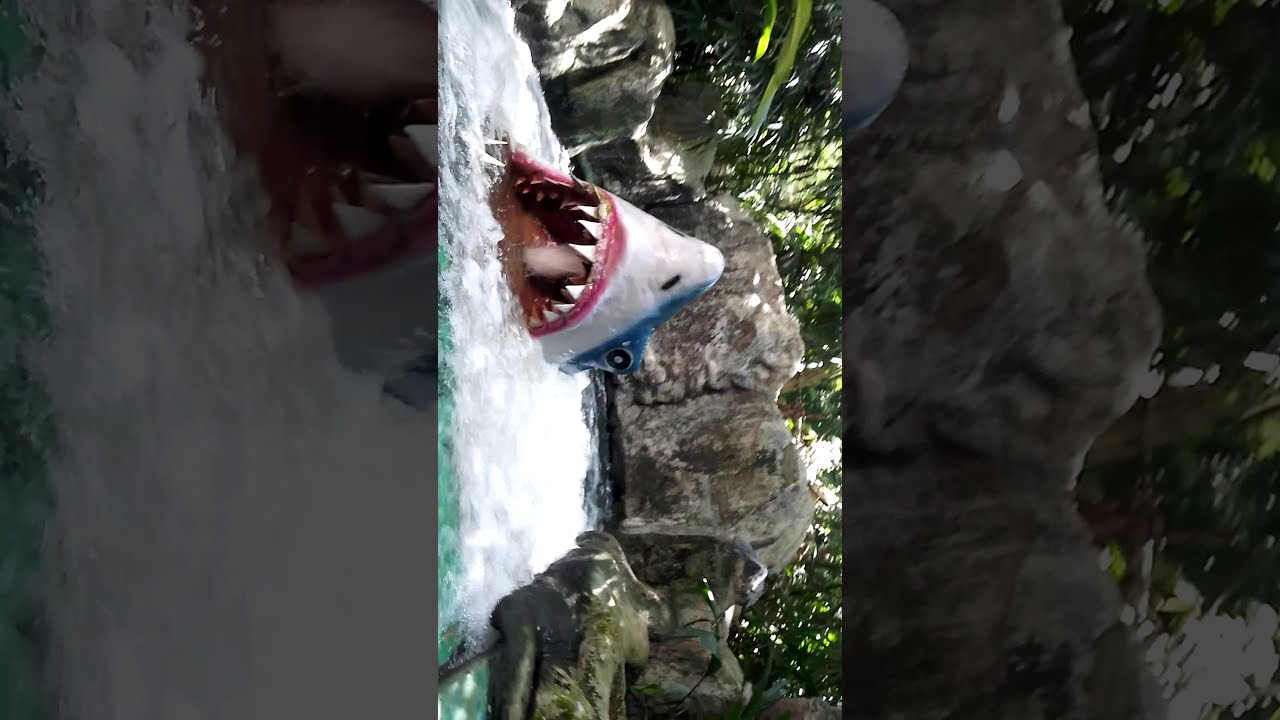
The river side #Safari World#Bangkok
June 03, 2018 — ny_wk
🛒 Recommended gear on AmazonDisclosure: some links above are affiliate links — if you buy through them I may earn a small commission at no extra cost to you. Thanks for supporting the channel!
As an Amazon Associate I earn from qualifying purchases.
Safari World Bangkok's riverside area is one of the city's most underrated natural retreats — a genuinely peaceful strip of lush scenery and exotic wildlife tucked inside one of Southeast Asia's most celebrated wildlife parks. Whether you're planning a full-day Bangkok safari adventure or simply searching for a
scenic riverside escape near Bangkok, the waterfront zone at Safari World delivers a sensory experience that surprises even seasoned Thailand travellers.
Safari World Bangkok: More Than Just a Wildlife Park
Most visitors arrive at Safari World Bangkok with a single agenda — spot giraffes from a minibus, watch a trained orangutan box, or catch a dolphin show. Those things are genuinely worth doing. But the park holds a quieter, less-photographed world along its riverside corridor, and it's this stretch of natural scenery that has started drawing a different kind of visitor: the slow traveller, the nature photographer, the parent hunting for something calmer after a morning of animal shows.
Safari World is located in the Minburi district of Bangkok, roughly 45 minutes northeast of the city centre. Opened in 1988, it spans approximately 480 acres and is divided into two distinct zones — the Safari Park (an open-drive wildlife reserve) and the Marine Park (an enclosed entertainment and aquatic show complex). Between and around these two poles, lush tropical vegetation, man-made water features, and genuine riverside views create a landscape that feels surprisingly far removed from the concrete density of central Bangkok.
What makes the riverside section specifically notable is its deliberate design as a breathing space. The park's landscape architects used the natural waterways of the Minburi area to frame wildlife enclosures, create natural barriers between species, and give guests a vantage point that feels organic rather than zoo-like. Stand at the right spot along the river path during golden hour and you could easily forget you're inside a theme park at all.
The Riverside Area at Safari World: What You Actually See and Feel
The Safari World riverside isn't a single attraction with a ticket booth — it's more of an experiential corridor that runs through parts of the park where water meets wildlife habitat. The experience unfolds gradually, which is precisely what makes it so restorative after the more stimulating animal show circuit.
Scenery and Atmosphere
The first thing you notice is the greenery. Bangkok is relentlessly urban, and even its parks tend toward manicured tidiness. The riverside section of Safari World leans wild. Tall palms, tropical broadleaf trees, and dense undergrowth press close to the water's edge, and the humidity carries the smell of river mud and rain-soaked vegetation — the kind of smell that instantly signals you've left the city behind. Dragonflies hover over the water surface. Herons stand motionless in the shallows. The sounds of traffic and commerce are replaced by birdsong and the soft churn of a boat engine moving at a leisurely pace.
The light here is exceptional for photography. Water reflects the sky, so even on an overcast day the riverside corridor glows with soft, diffused luminosity. Early morning visits — when the park first opens — reward photographers with mist rising off the water and animals at their most active before the midday heat sets in.
Boat Rides Along the River
One of the riverside's headline experiences is the boat ride, which allows visitors to see certain areas of the park from the water's perspective. This fundamentally changes how you perceive the wildlife. From a boat, animals are not framed by fences or crowd barriers — they appear at the water's edge, going about their business with minimal awareness of your presence. You might see large waterbirds nesting in trees along the bank, monitor lizards sunning themselves on muddy flats, or deer grazing in clearings just beyond the treeline.
The pace of a boat ride enforces the kind of slow observation that most wildlife encounters don't allow. You can't rush it. You can't scroll your phone while you're holding onto a boat rail and watching a painted stork wade through the shallows ten metres away. This forced attentiveness is, ironically, one of the ride's greatest gifts to visitors who spend their days in a constant state of digital distraction.
Wildlife Sightings from the Riverbank
The exotic wildlife visible along the Safari World riverside varies by time of day and season, but consistent sightings include:
- Large waterbirds — painted storks, open-billed storks, purple herons, and various egret species frequent the shallow margins of the river and adjacent wetland areas.
- Monitor lizards (Varanus salvator) — the large water monitors of Thailand are natural inhabitants of riverside environments, and Safari World's waterways provide ideal habitat. Seeing a two-metre monitor lizard sliding into the water beside your boat is a highlight that no amount of theme-park choreography could engineer.
- Deer and antelope — species from the Safari Park drift toward the riverside areas, especially in the cooler parts of the day.
- Exotic bird species — the lush tree cover along the river supports a surprising density of bird life, making this one of the better casual birdwatching spots in the greater Bangkok area.
For wildlife photographers, the riverside offers natural framing, water reflection shots, and candid animal behaviour that the more structured show areas simply cannot replicate. A telephoto lens in the 200–400mm range will serve you well, though patient shooters with a standard kit lens can still capture memorable images by working the boat ride at dawn.
Safari Park and Marine Park: The Broader Context
To understand why the riverside matters, it helps to situate it within the full Safari World experience. The park's two major divisions each have a distinct personality, and the riverside threads between them as a connective tissue of calm.
The Safari Park Drive-Through
The Safari Park section operates as a drive-through wildlife reserve in the tradition of African safari experiences adapted for Southeast Asian species and climate. Visitors drive their own vehicles (or take a park shuttle) through a 3-kilometre route where animals roam in large open enclosures separated by species. Giraffes bend their extraordinary necks to peer through car windows. Zebras trot alongside vehicles. White rhinos and various antelope species graze in grassland paddocks. Ostriches stride the road with complete indifference to your presence.
The experience is genuinely thrilling on first encounter, particularly for children, and the park's animal collection is substantial and well-maintained by regional standards. The open-air format means you're breathing fresh air rather than filtered theme-park air, and the scale of the enclosures gives animals room to behave somewhat naturally.
The Marine Park Entertainment Zone
The Marine Park operates as a more conventional animal entertainment complex, housing dolphin shows, sea lion performances, orangutan boxing shows, bird shows, and a small aquarium. It is loud, colourful, and beloved by families with young children. Shows run on a rotating schedule throughout the day, and the amphitheatres fill quickly for the dolphin and sea lion performances.
The Marine Park is where Safari World earns its reputation as a full-day destination — there's enough show content to fill six or seven hours without any repetition. It is also, for some visitors, the part of the park where the ethical questions about captive animal entertainment feel most acute. That conversation is ongoing in Thailand's tourism industry, and visitors should approach the shows with their own values as a guide.
How the Riverside Bridges the Two Zones
What the riverside section provides, architecturally and experientially, is a genuine transition zone. Moving from the noise and energy of the Marine Park shows toward the quieter Safari Park, or simply taking a break from both, the riverside walkways and boat ride offer a qualitatively different experience of the same location. It's where Safari World stops feeling like a performance and starts feeling like a place — one with a genuine relationship to the Thai landscape and its natural waterways.
Photography and Nature Appreciation at the Safari World Riverside
The Safari World Bangkok riverside has quietly developed a reputation among Bangkok-based photographers and nature enthusiasts as an accessible half-day destination for water and wildlife photography. This isn't a wilderness reserve — you're still inside a commercial park — but the combination of managed waterways, rich birdlife, and tropical vegetation creates genuine photographic opportunity within 45 minutes of the city centre.
Best Times for Photography
- Early morning (9:00–11:00 AM): Best light quality, lowest crowds, most active wildlife, possible mist on the water during cooler months (November–February).
- Late afternoon (3:30–5:30 PM): Golden hour light reflects beautifully on the river; herons and storks tend to feed actively in the shallows at this time.
- Avoid midday: Harsh overhead light, peak crowd times, and reduced animal activity during the hottest part of the day.
Equipment Recommendations
- A telephoto zoom lens (at minimum 200mm equivalent) for bird and wildlife shots from the riverbank or boat.
- A polarising filter to cut water surface glare and improve reflection shots.
- Weather protection for your camera — Thailand's humidity and the occasional sudden downpour make weather sealing valuable if you have it.
- A wide-angle lens for landscape and environmental shots of the riverside corridor in context.
Even smartphone photographers will find the riverside rewarding — the soft light, the green-on-water colour palette, and the occasional dramatic wildlife appearance create naturally strong compositions that don't require technical expertise to capture.
Plan Your Visit: Practical Safari World Bangkok Travel Guide
Getting the most from Safari World Bangkok — and specifically from its riverside section — requires a little forward planning. Here's everything you need to know before you go.
Location and Getting There
- Address: 99 Panya Indra Road, Minburi District, Bangkok 10510, Thailand
- By taxi or Grab: Most convenient option from central Bangkok; journey time approximately 40–55 minutes depending on traffic. Always negotiate or meter from the airport taxi ranks, or use the Grab app for transparent pricing.
- By public bus: Several Bangkok bus routes serve the Minburi area; journey times are longer but costs are minimal. Check current routes with the Bangkok Mass Transit Authority (BMTA) as services change periodically.
- Driving: Parking is available at the park. Take Highway 304 or the Ramindra Expressway toward Minburi.
Opening Hours and Admission
- Opening hours: Generally 9:00 AM – 5:00 PM daily, though hours can vary during Thai public holidays. Verify current hours on the official Safari World website before visiting.
- Tickets: Combined Safari Park + Marine Park tickets are available at the gate and through online booking platforms. Online booking often offers small discounts and avoids queuing. Prices change periodically — check the official site or a current booking platform for up-to-date adult and child rates.
- Boat rides: May carry an additional fee or be included in package tickets depending on current park policy. Confirm at the ticket window.
What to Bring
- Sunscreen and a hat: The riverside walkways are partly shaded but open sections of the park are exposed, and Bangkok sun is intense year-round.
- Water and snacks: Food is available in the park but can be expensive relative to Bangkok street prices.
- Insect repellent: Riverside and vegetation-heavy areas attract mosquitoes, particularly in the late afternoon.
- Comfortable walking shoes: The grounds are extensive; budget for significant walking across the day.
- Cash: Some park vendors and the boat ride ticket counter may not accept cards.
Best Time of Year to Visit
The cool dry season (November to February) is the best time to visit Safari World and its riverside area. Temperatures are more manageable (25–32°C rather than the 38°C+ of April-May), humidity drops slightly, and the morning mist on the water creates particularly atmospheric conditions for photography. The rainy season (June to October) brings afternoon downpours that can interrupt outdoor activities, though the park remains open and the post-rain light can be spectacular.
Key Takeaways
- Safari World Bangkok's riverside section offers a genuinely peaceful and scenic counterpoint to the park's more energetic animal shows — don't skip it in favour of back-to-back performances.
- The boat ride provides a unique water-level perspective on wildlife and vegetation that fundamentally changes how you experience the park.
- Early morning visits maximise both wildlife activity and photographic light quality, making them the best investment of time for nature lovers and photographers.
- Safari World is a full-day destination combining the drive-through Safari Park, the Marine Park entertainment complex, and the riverside nature corridor — plan at least six to seven hours to experience all three properly.
- The park is located in Minburi district, approximately 45 minutes from central Bangkok, and is most comfortably reached by Grab taxi or private car, especially when travelling with children or camera equipment.
Frequently Asked Questions
Is the Safari World Bangkok riverside area included in the standard ticket?
The riverside walkways and viewing areas are generally accessible with a standard combined Safari World ticket. The boat ride, however, may carry a separate charge or require a specific ticket upgrade — confirm current pricing at the ticket counter when you arrive, as park policies update periodically.
What wildlife can you see along the Safari World riverside?
The riverside area is particularly good for waterbird sightings (herons, storks, egrets), monitor lizards, and various deer and antelope species that drift toward the water's edge. Bird diversity along the tree-lined riverbank is surprisingly high for an urban park setting, making it a worthwhile casual birdwatching stop for visitors to Bangkok.
How do I get to Safari World from central Bangkok?
The most practical option is a Grab taxi or metered taxi, which takes approximately 40–55 minutes from the Sukhumvit or Silom areas depending on traffic. The park address is 99 Panya Indra Road, Minburi District, Bangkok. Public bus options exist but journey times are considerably longer and connections can be complicated for first-time visitors.
Is Safari World Bangkok worth visiting for adults without children?
Absolutely. While the Marine Park shows skew toward family audiences, the Safari Park drive-through and the riverside nature corridor offer genuine wildlife and landscape experiences that adult visitors — especially photographers, nature enthusiasts, and travellers seeking something beyond Bangkok's temples and markets — will find well worth the trip.