
Tata Punch EV Road Trip: Pune to Mumbai and Back | NH48, EBG Group, EV Charging | 4K GoPro
November 01, 2026 — ny_wk
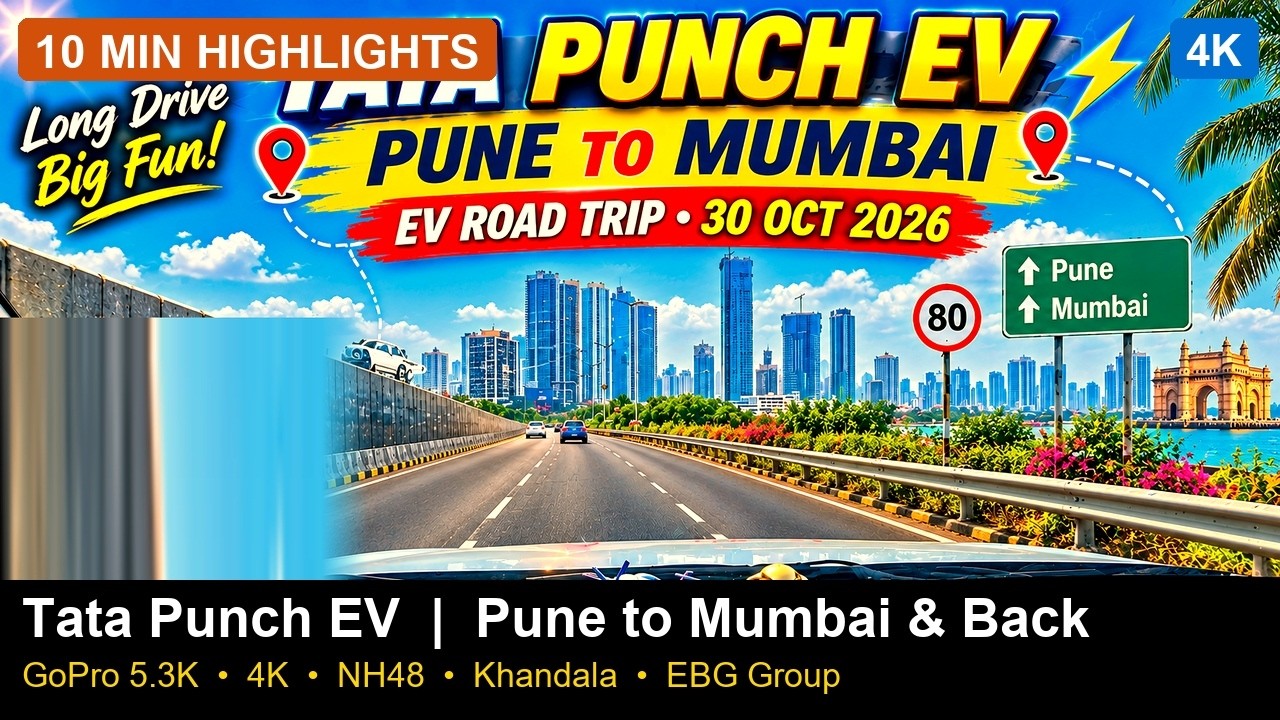
▶ Tata Punch EV Road Trip: Pune to Mumbai and Back | NH48, EBG Group, EV Charging | 4K GoPro | Subscribe to @explorenystream
start an insightful journey from Pune to Mumbai and back in a Tata Punch EV, working through the NH48 and experiencing the realities of electric vehicle charging infrastructure in India. This comprehensive guide, inspired by the @explorenystream video, delves into the practicalities, joys, and considerations of long-distance EV travel, highlighting the impressive performance of the Tata Punch EV and the crucial role of charging networks like the EBG Group.
Tata Punch EV Road Trip: Pune to Mumbai and Back – The Electric Adventure Unfolds
The allure of an electric vehicle road trip is undeniable, promising a quieter, cleaner, and often more cost-effective way to explore. The Tata Punch EV, a compact yet capable electric SUV, recently undertook such an adventure, charting a course from Pune to Mumbai and back, traversing the well-worn NH48. This journey, meticulously captured in stunning 4K GoPro footage by @explorenystream, offers an authentic look into what it's like to travel long distances in an Indian EV.
The Pune-Mumbai corridor is a bustling artery, a sign of India's rapid development and an ideal proving ground for electric vehicles. It’s a route that demands efficiency, reliability, and accessible charging – all factors that were put to the test during this exciting round trip. For prospective Tata Punch EV owners or anyone curious about the evolving EV landscape in India, this road trip serves as an invaluable resource, showcasing not just the car's performance but also the growing ecosystem supporting electric mobility.
The choice of the Tata Punch EV for this extensive drive is particularly pertinent. As one of India's most popular electric offerings, it represents the aspirations of many urban and semi-urban commuters looking to make the switch. Its compact dimensions make it agile in city traffic, while its range and features aim to address the demands of inter-city travel. This journey specifically highlights how it handles the sustained speeds of a highway like NH48 and the critical role of planning for EV charging stops.
Navigating NH48: Performance and Efficiency of the Tata Punch EV
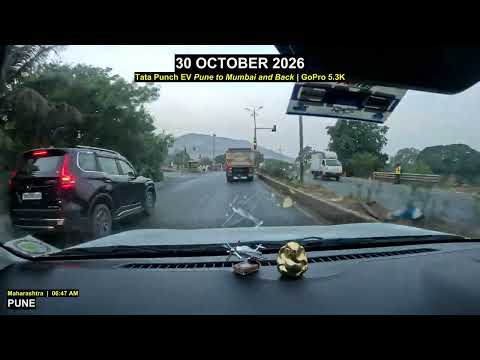
The National Highway 48 (NH48) forms the backbone of this electric expedition. Stretching between Pune and Mumbai, it’s a high-speed corridor that tests the mettle of any vehicle, especially an EV. The @explorenystream video provides a real-world perspective on how the Tata Punch EV performs on the highway, offering insights into its cruising capabilities, energy consumption at sustained speeds, and overall driving dynamics.
- Smooth Highway Cruising: The Tata Punch EV demonstrates a comfortable and stable ride on NH48. Its electric powertrain delivers instant torque, making overtakes effortless and maintaining highway speeds a breeze. The absence of engine noise significantly enhances the driving experience, contributing to a more relaxed journey for the driver and passengers.
- Regenerative Braking Benefits: While not as pronounced at constant highway speeds, the regenerative braking system proves its worth, particularly during slowdowns for traffic or toll plazas. This feature helps recuperate some energy, adding precious kilometers back into the battery and extending the effective range between charges.
- Real-World Range Considerations: The video subtly highlights the importance of understanding real-world range. While manufacturer-quoted ranges are based on ideal conditions, factors like driving style, speed, AC usage, and terrain directly impact actual achievable distances. On a highway like NH48, higher average speeds typically lead to increased energy consumption compared to city driving.
- Driving Modes and Their Impact: Modern EVs often come with multiple driving modes (e.g., Eco, City, Sport). While the video doesn't explicitly detail mode changes, a savvy EV driver would likely utilize Eco mode on the highway for maximum efficiency, reserving other modes for situations requiring more power.
The journey across NH48 isn't just about speed; it's also about understanding the infrastructure. The route is dotted with service stations, dhabas, and commercial establishments, increasingly becoming hosts for EV charging points. This symbiotic relationship between traditional highway services and modern EV infrastructure is crucial for the wider adoption of electric vehicles in India.
EV Charging Logistics: The EBG Group Experience and Other Options
One of the most significant aspects of any EV road trip is charging. The @explorenystream video offers a valuable look into the EV charging experience in India, specifically highlighting the presence and reliability of the EBG Group’s charging stations. Understanding where and how to charge is paramount for a successful electric journey.
The EBG Group: A Key Player in Indian EV Infrastructure
The EBG Group (Electric Battery Grid) is rapidly expanding its network across India, providing crucial charging infrastructure. The video likely features stops at EBG Group charging points, showcasing their user interface, charging speed (AC vs. DC fast charging), and overall reliability. Key aspects to observe would include:
- Ease of Access: How accessible are these stations? Are they located conveniently on or just off NH48? Proximity to amenities like restrooms, food, and refreshment is a significant plus for EV drivers during charging stops.
- Charging Speed: The difference between AC (slower, for overnight or longer stops) and DC fast charging (quicker top-ups) is critical. For highway travel, DC fast chargers are essential to minimize downtime. The video should illustrate the typical charging times experienced.
- Payment and App Interface: Most charging networks operate through dedicated mobile apps for locating stations, initiating charging, and making payments. The user-friendliness of the EBG Group's app and the payment process would be a vital takeaway. Issues like charger availability, out-of-order stations, or payment glitches are common concerns that this real-world footage can address.
- Charger Compatibility: India primarily uses the CCS2 charging standard for most modern EVs, including the Tata Punch EV. The video would confirm that EBG Group chargers support this standard, ensuring seamless connectivity.
Beyond EBG Group: The Broader EV Charging Landscape
While the EBG Group plays a significant role, the Indian EV charging ecosystem is multifaceted. Other prominent players like Tata Power EZ Charge, ChargeZone, Relux Electric, and IOCL/HPCL stations are also expanding their networks. An ideal EV road trip plan involves having multiple charging options mapped out, serving as backups in case a primary choice is unavailable or occupied.
Planning is crucial. Before embarking on a long EV journey, it's advisable to:
- Use Charging Apps: Apps like PlugShare, Tata Power EZ Charge, or the EBG Group's proprietary app are indispensable for locating chargers, checking their status (available/occupied/out of order), and understanding charging speeds.
- Consider Buffer Range: Always aim to arrive at a charging station with a comfortable buffer range, rather than pushing the limits. This accounts for unexpected diversions, queued chargers, or minor range miscalculations.
- Know Your Car's Charging Curve: Different EVs charge at different rates, and charging speed often tapers off as the battery approaches full. Understanding the Tata Punch EV's charging curve helps in planning efficient charging stops.
The journey from Pune to Mumbai and back in a Tata Punch EV, supported by networks like the EBG Group, vividly illustrates that inter-city EV travel in India is not just a futuristic concept but a present-day reality, albeit one that still requires careful planning and awareness of the available infrastructure.

Practicalities and Preparations for an EV Road Trip in India
Embarking on a long-distance electric vehicle road trip, especially in a dynamic market like India, requires more than just a full battery. The @explorenystream video, through its honest portrayal, implicitly highlights several practical considerations and preparations essential for a smooth journey with a Tata Punch EV on NH48.
Pre-Trip Planning: The EV Driver's Mantra
Unlike traditional fuel-powered vehicles where fuel stations are ubiquitous, EV charging still requires a degree of foresight. This includes:
- Route Mapping with Charging Stops: Utilize EV-specific navigation tools or apps to plan your route, incorporating charging stops. Don't just look for chargers; assess their type (DC fast vs. AC), availability, and proximity to amenities.
- Checking Charger Status: Before heading out, check the real-time status of your planned charging stations. An "out of order" charger can significantly disrupt your schedule.
- Understanding Elevation Changes: The Pune-Mumbai route involves ghat sections (e.g., Lonavala/Khandala). Uphill climbs consume more energy, while downhill descents can recover some through regenerative braking. Factor this into range estimates.
- Emergency Contacts and Support: Have the helpline numbers for your charging network providers (like EBG Group) and your vehicle's roadside assistance readily available.
- Weather Considerations: Extreme temperatures (very hot or very cold) can affect battery performance and range. While less of an issue for this specific route, it's a general EV road trip consideration.
On-Road Experience and Management
Once on the road, managing your EV effectively becomes key to a stress-free journey.
- Driving Style: Smooth acceleration and deceleration, maintaining consistent speeds, and anticipating traffic flow are crucial for maximizing efficiency. Aggressive driving significantly depletes the battery faster.
- Cabin Climate Control: Air conditioning or heating are major energy consumers. Use them judiciously. Pre-cooling or pre-heating the cabin while the car is still plugged in at home or a charging station can save significant range.
- Monitoring Battery SOC (State of Charge): Regularly check your battery percentage and estimated range. Don't rely solely on the "miles remaining" display, as it's often an estimate based on recent driving.
- Time Management at Chargers: While fast charging is quick, it's still a stop. Factor in 30-60 minutes for a substantial top-up, which can be used for refreshments, restroom breaks, or stretching your legs.
The Economic Aspect: Cost Savings
One of the primary motivations for switching to an EV is the reduced running cost. While the video doesn't explicitly detail costs, a round trip from Pune to Mumbai and back in a Tata Punch EV would typically result in significant savings compared to a petrol or diesel equivalent, despite the cost of fast charging. The exact savings depend on electricity tariffs at charging stations versus petrol/diesel prices.
Overall, the Pune to Mumbai road trip in a Tata Punch EV showcased in the @explorenystream video paints a vivid picture of the current state of EV travel in India. It's a journey of evolving infrastructure, growing confidence in electric mobility, and the continuous learning curve for both manufacturers and drivers.

4K GoPro Visuals: A Cinematic Journey and Technical Insights
The decision by @explorenystream to film this entire journey with a 4K GoPro is a big deal, elevating the typical road trip vlog to a high-definition experience. The visual quality is not just aesthetically pleasing; it offers crucial technical insights that a viewer might otherwise miss.
Immersive Storytelling Through High-Resolution Footage
The 4K resolution provides an unparalleled level of detail. Viewers can fully appreciate:
- The Scenery of NH48: From the urban sprawl of Pune and Mumbai to the scenic stretches of the Western Ghats, the crisp visuals capture the diverse landscape, making the journey feel more immersive. The changes in terrain, roadside infrastructure, and local life are all rendered with stunning clarity.
- Vehicle Dynamics: The high resolution allows for a clearer view of the Tata Punch EV's exterior and interior. Subtle details of its design, the quality of materials, and how it appears on the road can be observed. This is particularly useful for potential buyers looking for a detailed visual inspection.
- Traffic and Road Conditions: The realism of 4K footage brings the actual road conditions to life. Viewers can see the typical traffic density on NH48, the quality of the road surface, and any challenges posed by other vehicles, providing a true-to-life representation of driving in India.
Technical Data and Readability
Perhaps one of the most critical aspects for an EV road trip video is the presentation of technical data. A GoPro, especially when paired with on-screen overlays, can effectively display vital information without losing clarity:
- Battery State of Charge (SOC): Real-time display of the battery percentage, crucial for tracking consumption.
- Estimated Range Remaining: The car's projected range, often fluctuating based on driving conditions.
- Speed and Odometer Readings: Providing context for the distances covered and the speeds maintained.
- Charging Data: At charging stops, overlaying information about charging speed (kW), energy added (kWh), and estimated time to full charge adds immense value.
- Energy Consumption (Wh/km or km/kWh): This metric is vital for EV enthusiasts to understand the vehicle's efficiency under different driving scenarios.
The use of a GoPro also implies robust mounting, allowing for various camera angles – dashboard views, exterior shots, and perhaps even rear-facing perspectives. This diverse visual approach ensures a comprehensive viewing experience, providing different facets of the journey and the vehicle's interaction with its environment.
the 4K GoPro footage transforms this Tata Punch EV road trip from a mere travelogue into a detailed, visually rich case study on electric mobility in India. It allows viewers to feel as if they are passengers, experiencing every kilometer and every charging stop alongside the @explorenystream team, making it an invaluable resource for anyone considering an EV for long-distance travel.
Key Takeaways
- The Tata Punch EV demonstrates strong performance and reliability for inter-city travel on highways like NH48, handling sustained speeds and diverse terrain efficiently.
- The evolving EV charging infrastructure in India, exemplified by networks like the EBG Group, is crucial for enabling longer electric road trips, offering both AC and DC fast charging options.
- Effective EV road trip planning is essential, including mapping charging stops, understanding real-world range, and considering driving style and climate control usage.
- High-resolution 4K GoPro footage provides an immersive and technically detailed view of the journey, making the video a valuable resource for prospective EV buyers and enthusiasts.
- The Pune to Mumbai route serves as an excellent proving ground for EV capabilities, highlighting both the opportunities and current requirements for successful electric mobility in India.
Frequently Asked Questions
How practical is the Tata Punch EV for long road trips in India?
The Tata Punch EV is increasingly practical for long road trips in India, especially with growing charging infrastructure. While requiring more planning than petrol cars, its comfortable ride, adequate range for typical inter-city segments, and access to fast chargers make journeys like Pune to Mumbai and back highly feasible. Factors like driving style and planning charging stops strategically are key to a smooth experience.
What is the typical charging time for a Tata Punch EV on a road trip?
The typical charging time for a Tata Punch EV on a road trip depends on the charger type. Using a DC fast charger (like those from EBG Group or Tata Power EZ Charge), it can charge from 10% to 80% in approximately 56 minutes, allowing for quick top-ups during breaks. AC chargers, while slower, are suitable for longer stops or overnight charging.
Are EV charging stations readily available on NH48 between Pune and Mumbai?
Yes, EV charging stations are becoming increasingly available on NH48 between Pune and Mumbai. Networks like EBG Group, Tata Power EZ Charge, and others have established fast-charging points at strategic locations, including service stations and highway eateries. It's always recommended to use charging locator apps to verify real-time availability and functionality before your trip.
What are the main advantages of taking a Tata Punch EV on a road trip compared to a petrol car?
The main advantages of taking a Tata Punch EV on a road trip include significantly lower running costs (electricity is cheaper than petrol), a quieter and smoother driving experience due to the electric powertrain, and reduced environmental impact. Additionally, some cities offer incentives or preferential parking for EVs. While initial cost might be higher, the operational savings can be substantial over time.
For a complete visual and in-depth experience of this electric adventure, be sure to watch the full video: "Tata Punch EV Road Trip: Pune to Mumbai and Back | NH48, EBG Group, EV Charging | 4K GoPro" on the @explorenystream channel. Don't forget to subscribe for more insightful travel and EV content!